
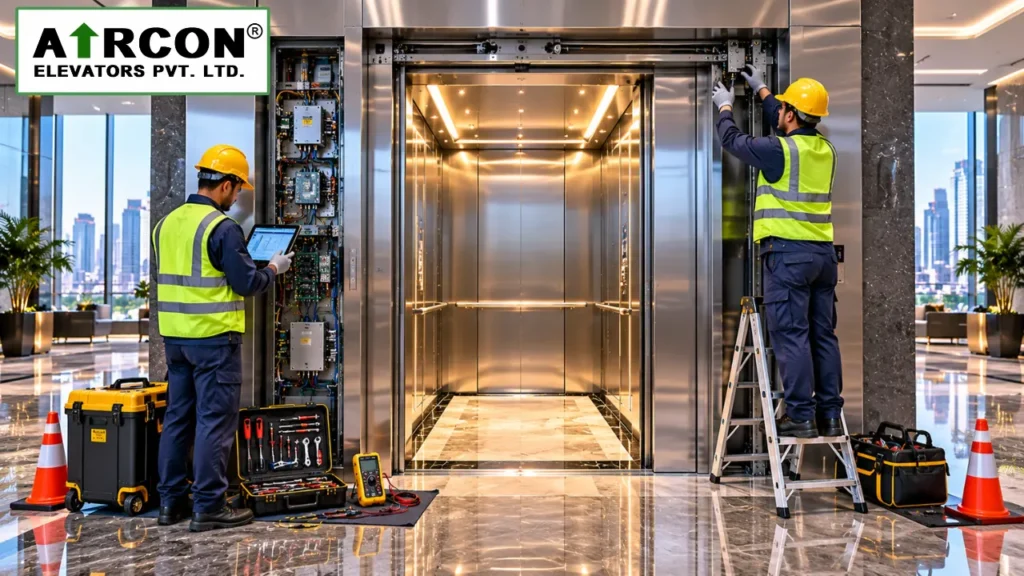
A well-maintained elevator is essential for passenger safety, reliable performance, and long-term durability. Regular maintenance helps identify minor issues before they become major failures, reduces unexpected breakdowns, improves ride quality, and extends the service life of important elevator components. Whether installed in a residential building, commercial complex, hospital, hotel, or industrial facility, following a proper elevator maintenance checklist helps ensure safe and efficient operation throughout the year.
Why Regular Elevator Maintenance Matters
Elevators perform hundreds or even thousands of trips every day depending on the building type. Continuous operation gradually wears components such as door mechanisms, guide rails, traction systems, electrical controls, safety devices, and moving parts. Routine preventive maintenance helps detect early signs of wear, reduces unexpected failures, improves passenger safety, lowers repair costs, and minimizes elevator downtime.
Essential Elevator Maintenance Checklist
1. Inspect Door Operation
- Check that elevator doors open and close smoothly without unusual noise or delay. Door sensors should respond correctly to prevent accidents. Learn how modern elevator door sensor technologies improve passenger safety.
2. Test Safety Features
Verify that all safety systems are functioning properly, including:
- Emergency Alarm
- Automatic Rescue Device (ARD)
- Emergency Lighting
- Door Interlocks
- Overload Protection
- Overspeed Governor
These features should be tested regularly by qualified technicians in accordance with applicable Indian elevator safety standards wherever required.
3. Check Ride Quality
- Pay attention to unusual vibrations, jerking movements, or excessive noise while the elevator is operating. Smooth travel is a sign of a healthy elevator system. Excessive vibration may indicate problems explained in our guide on reducing elevator noise and vibration.
4. Inspect Electrical Components
- Control panels, wiring, switches, and indicators should be checked for proper operation. Any signs of overheating or damaged wiring should be addressed immediately.
5. Lubricate Moving Parts
- Guide rails, door mechanisms, bearings, and other moving components require periodic lubrication to reduce friction and prevent premature wear.
6. Examine the Cabin
- Inspect cabin lighting, flooring, handrails, mirrors, ventilation, and control buttons to ensure a clean, safe, and comfortable passenger experience.
7. Clean the Elevator Area
- Keep the cabin, doors, machine room, and elevator pit free from dust, debris, and moisture. A clean environment helps improve equipment performance.
8. Review Maintenance Records
- Maintain a service log that records inspections, repairs, and part replacements. This helps track equipment performance and schedule preventive maintenance.
Common Signs Your Elevator Needs Maintenance
Even if an elevator appears to be working normally, certain warning signs may indicate that maintenance is required.
Common signs include:
- Unusual grinding or squeaking noises
- Slow door opening or closing
- Jerky cabin movement
- Excessive vibration during travel
- Frequent breakdowns
- Floor leveling problems
- Flickering cabin lights
- Error messages on the display
- Longer waiting times
- Burning smell near electrical equipment
If any of these symptoms appear repeatedly, the elevator should be inspected by qualified technicians as soon as possible. Professional elevator maintenance and repair services can identify hidden problems before they lead to expensive breakdowns.
How Often Should an Elevator Be Serviced?
The maintenance schedule depends on how frequently the elevator is used.
- Residential Buildings – Periodic preventive maintenance
- Commercial Buildings – Monthly inspections are recommended
- Hospitals & Hotels – Frequent maintenance due to heavy usage
- Industrial Facilities – Scheduled inspections based on operating conditions
Following the manufacturer’s recommended service schedule helps maintain safety and reliability.
Elevator Maintenance Tasks by Frequency
Different maintenance activities should be performed at different intervals depending on elevator usage and manufacturer recommendations.
Daily
- Check cabin cleanliness
- Inspect lighting
- Observe unusual noises
Monthly
- Test safety devices
- Inspect doors
- Check ride quality
- Verify emergency alarm
Quarterly
- Lubricate moving components
- Inspect electrical systems
- Tighten mechanical connections
Annually
- Complete safety inspection
- Load testing where applicable
- Replace worn components if required
Elevator Maintenance Best Practices
Following good maintenance practices helps improve elevator safety and reduce long-term operating costs.
Best practices include:
- Never ignore unusual noises because they are often early signs of common elevator problems.
- Schedule preventive maintenance regularly.
- Keep maintenance records updated.
- Replace worn parts before failure, and consider elevator modernization if aging equipment frequently requires repairs.
- Use genuine spare parts.
- Ensure only qualified technicians perform repairs.
- Keep the machine room clean.
- Test emergency systems periodically.
Why Choose Aircon Elevators Pvt. Ltd.?
Aircon Elevators provides professional elevator maintenance services for residential, commercial, healthcare, and industrial buildings across India.
Our AMC services include:
- Preventive Maintenance
- Safety Inspections
- Mechanical & Electrical Testing
- Genuine Spare Parts
- Emergency Breakdown Support
- Performance Optimization
- Annual Maintenance Contracts (AMC)
Our experienced technicians follow systematic inspection procedures, preventive maintenance schedules, and manufacturer-recommended service practices to help maximize elevator safety, reliability, and equipment life.
Frequently Asked Questions
Regular maintenance improves passenger safety, reduces breakdowns, and extends the lifespan of the elevator.
The frequency depends on usage, but preventive maintenance at regular intervals is recommended for all elevators.
Neglecting maintenance can lead to equipment failure, higher repair costs, safety risks, and reduced elevator life.
Yes. We provide Annual Maintenance Contracts (AMC), preventive inspections, emergency support, and modernization services.
Yes. Identifying small issues early helps prevent expensive repairs and minimizes unexpected downtime.
Yes. Proper lubrication, correctly adjusted doors, and well-maintained electrical components help reduce unnecessary power consumption and improve overall efficiency.
Only trained and qualified elevator technicians should inspect, repair, or service elevator equipment to ensure passenger safety and compliance with manufacturer recommendations.
A preventive maintenance visit generally includes inspection of safety devices, door operation, ride quality, electrical systems, moving components, lubrication, cleaning, and overall system performance.
Keep Your Elevator Safe and Reliable
Regular preventive maintenance is one of the most effective ways to improve elevator safety, reduce unexpected breakdowns, extend equipment life, and maintain smooth passenger operation. Following a structured elevator maintenance checklist helps building owners protect their investment while ensuring reliable elevator performance throughout the year. Scheduling regular inspections with qualified elevator professionals helps prevent costly repairs, improve passenger safety, and ensure reliable elevator performance throughout the entire service life of the lift.
Contact Aircon Elevators Pvt. Ltd. today to learn more about our professional elevator maintenance and AMC services.