Blog

Explore expert elevator buying guides, lift cost estimates, maintenance tips, and safety standards by Aircon Elevators. Stay informed on residential, commercial, and industrial lift technologies.

Elevator Cabin Ventilation

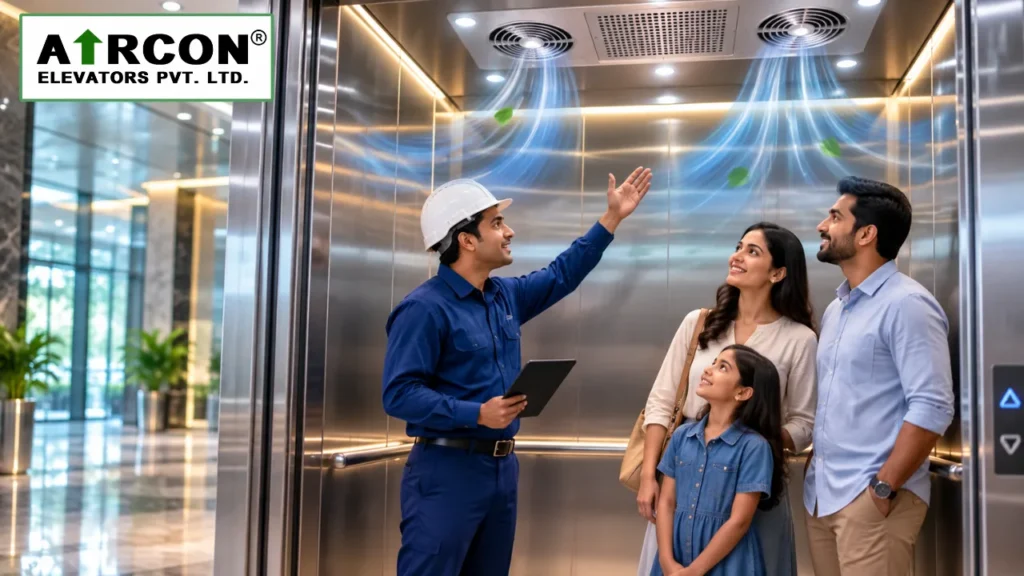
How Elevator Cabin Ventilation Improves Passenger Comfort and Safety

Modern elevators are expected to deliver much more than smooth vertical transportation. Whether installed in residential apartments, hospitals, office buildings, or shopping malls, today’s elevators are designed with passenger comfort, indoor air quality, and safety in mind. One of the most important yet often overlooked features is elevator cabin ventilation. A properly ventilated cabin ensures […]

How Elevator Cabin Ventilation Improves Passenger Comfort and Safety Read More »
Hospital Stretcher Elevators

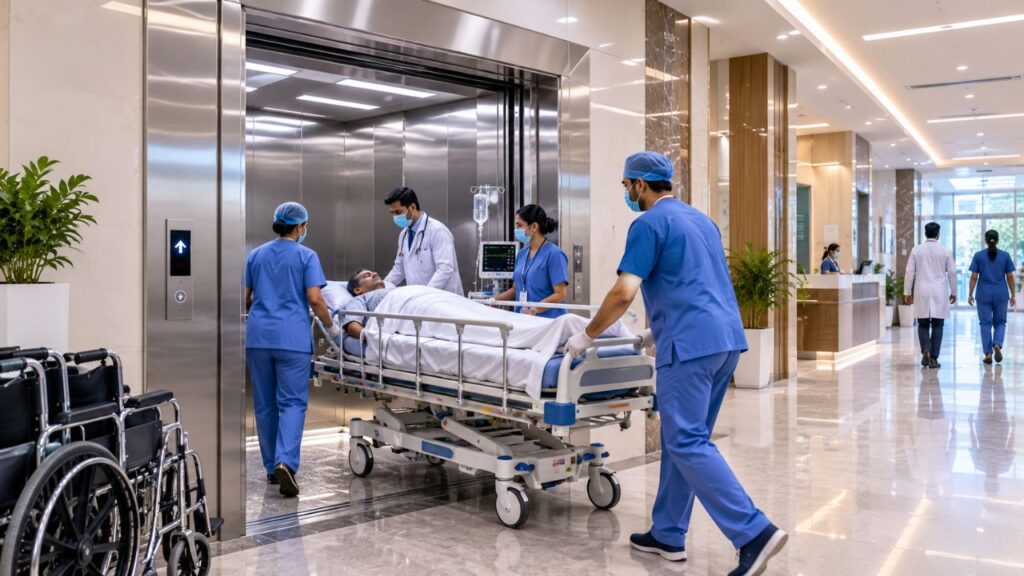
🏥Hospital & Stretcher Elevators

At Aircon Elevators Pvt. Ltd., we manufacture and install high-performance Hospital Stretcher Elevators designed to meet the demanding requirements of hospitals, healthcare centers, nursing homes, diagnostic facilities, and medical institutions. Our elevators are engineered to transport patients, stretchers, wheelchairs, medical equipment, and healthcare professionals safely, smoothly, and efficiently. In healthcare facilities, every second matters. A

🏥Hospital & Stretcher Elevators Read More »

Industrial Goods Elevators

🏭Industrial Goods Elevators

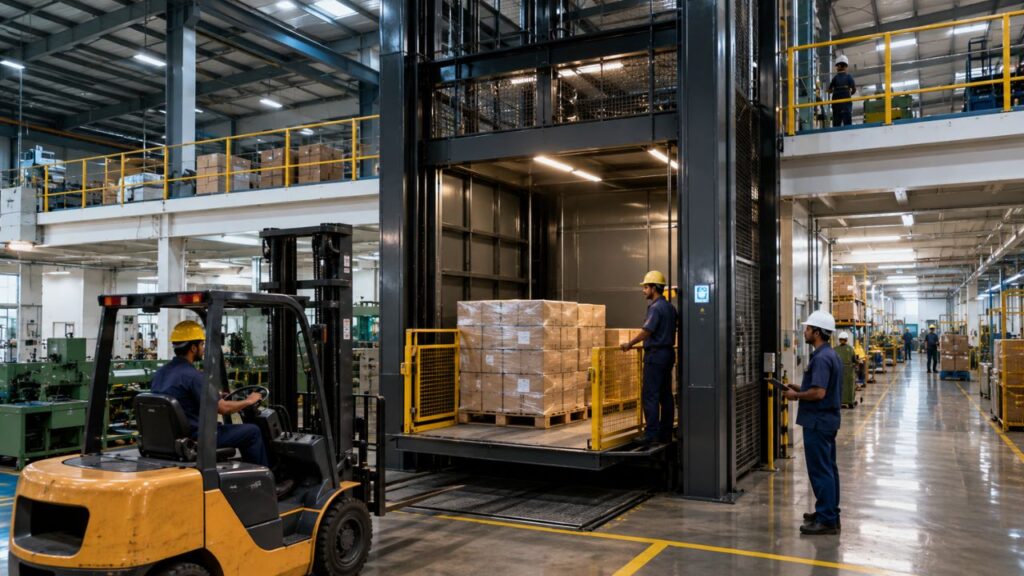
At Aircon Elevators Pvt. Ltd., we design and install robust Industrial Goods Elevators that help factories, warehouses, manufacturing plants, and commercial facilities transport heavy materials safely and efficiently. Built with advanced engineering, premium components, and reliable lifting technology, our goods elevators are engineered to handle demanding industrial environments while ensuring smooth operation and long-term performance.

🏭Industrial Goods Elevators Read More »

Elevator Traffic Analysis, Elevator Planning, Passenger Elevators, Building Elevator Design, Multi-Story Buildings, Elevator Capacity, Elevator Speed, Vertical Transportation, Aircon Elevators

Elevator Traffic Analysis: How to Calculate Elevator Requirements for Multi-Story Buildings

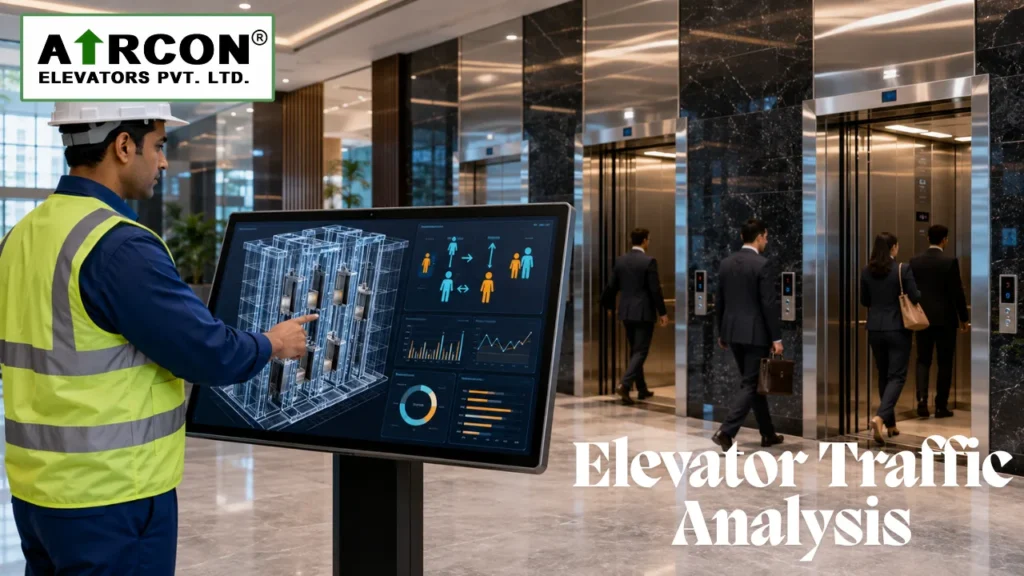
As buildings grow taller, elevator performance becomes a critical factor in occupant comfort and operational efficiency. Installing too few elevators can lead to long waiting times, while installing too many increases construction and maintenance costs. That’s why architects, developers, and elevator consultants perform elevator traffic analysis before selecting an elevator system. This guide explains how

Elevator Traffic Analysis: How to Calculate Elevator Requirements for Multi-Story Buildings Read More »

Heavy-Duty Industrial Goods Lifts

Heavy-Duty Industrial Goods Lifts: Load Capacities and Shaft Specifications

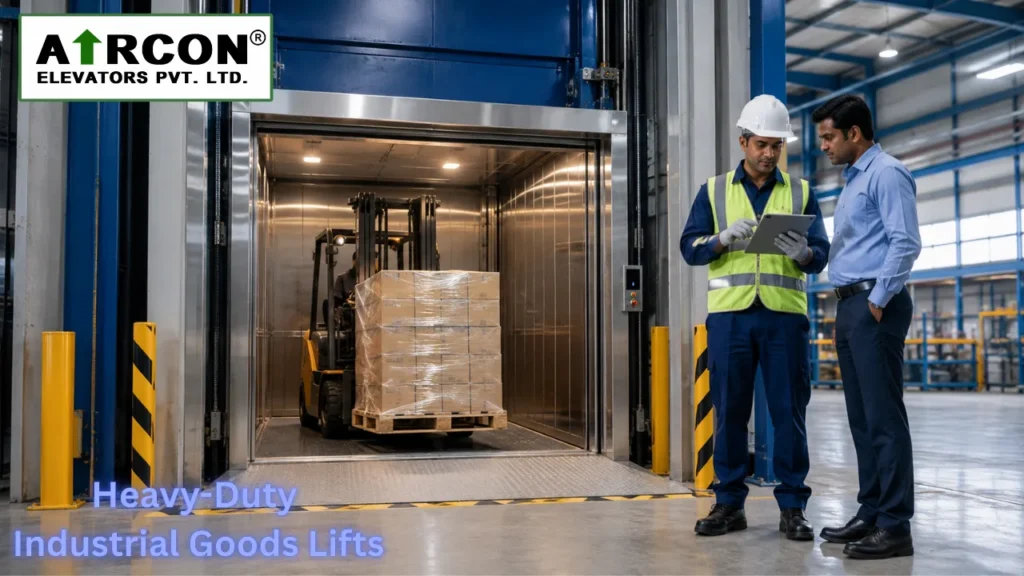
Industrial facilities depend on efficient material handling to maintain productivity. While forklifts and conveyors play an important role, heavy-duty industrial goods lifts provide a safe and reliable solution for moving raw materials, machinery, finished products, and palletized goods between floors. Selecting the right goods lift requires more than choosing a high load capacity. Factors such

Heavy-Duty Industrial Goods Lifts: Load Capacities and Shaft Specifications Read More »

Hospital Lifts vs Standard Passenger Lifts

Hospital Lifts vs. Standard Passenger Lifts: Engineering & Hygienic Differences

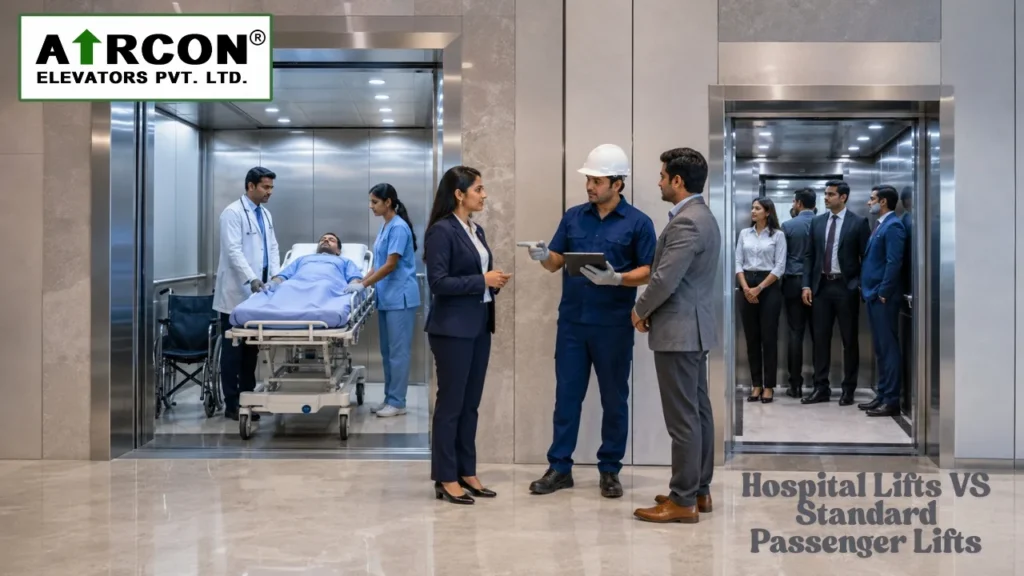
Selecting the right elevator is critical for healthcare facilities. While hospital lifts and standard passenger lifts may appear similar, they serve very different purposes. A hospital lift must transport patients, stretchers, medical staff, and life-saving equipment safely while meeting strict hygiene and accessibility requirements. Standard passenger lifts, on the other hand, focus on moving people

Hospital Lifts vs. Standard Passenger Lifts: Engineering & Hygienic Differences Read More »

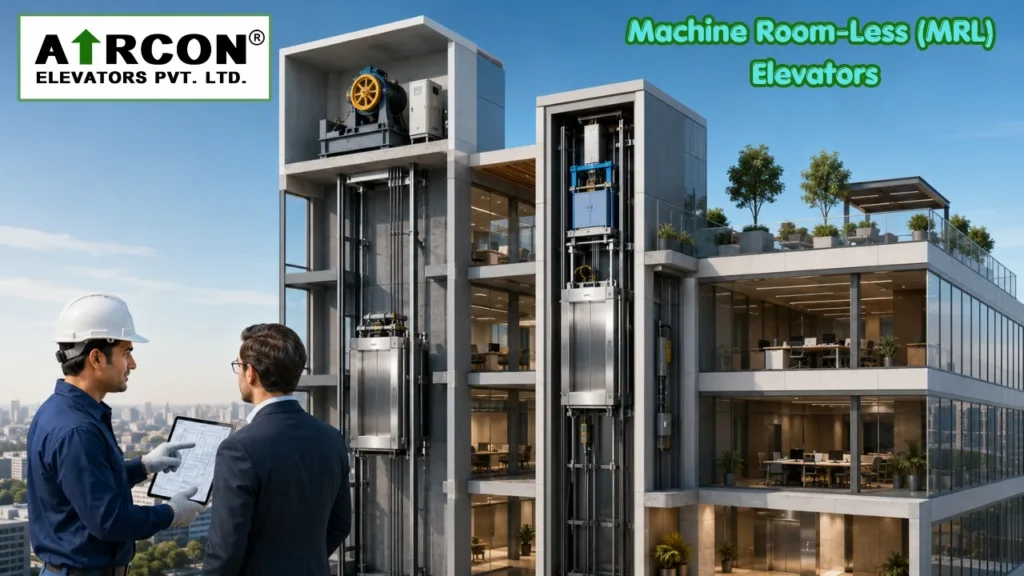
Machine Room-Less (MRL) Elevators

Machine Room-Less (MRL) Elevators: How They Maximize Usable Architectural Space

Modern buildings demand smarter use of every square foot. Architects and developers constantly look for ways to increase usable space without compromising functionality. Machine Room-Less (MRL) elevators have become a popular solution because they eliminate the need for a separate machine room while delivering reliable performance and energy efficiency. Whether you’re planning a residential apartment,

Machine Room-Less (MRL) Elevators: How They Maximize Usable Architectural Space Read More »

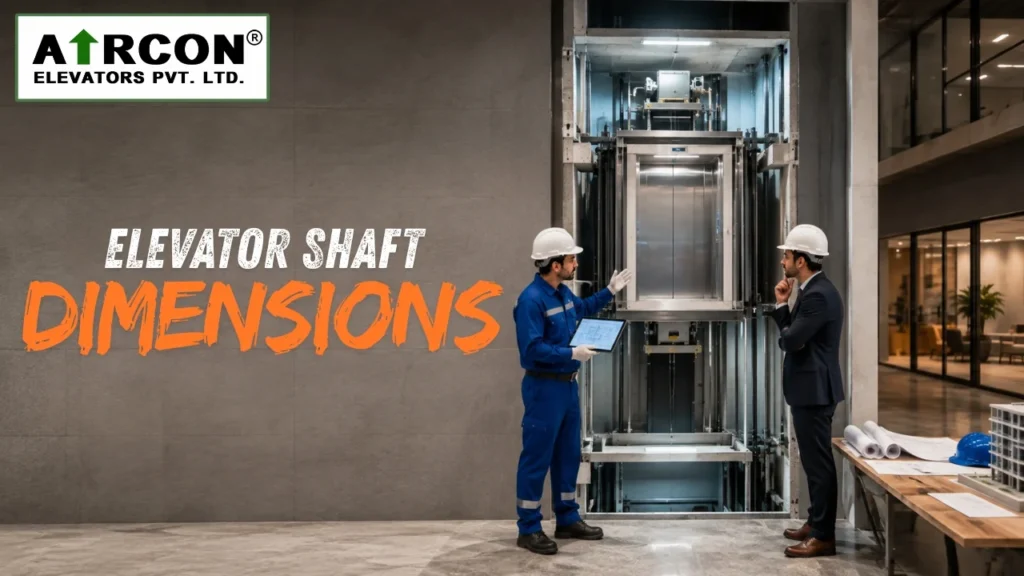
Elevator Shaft Dimensions

Understanding Elevator Shaft Dimensions: Pit Depth & Overhead Headroom Requirements

Proper elevator shaft planning is one of the most important steps in any elevator installation project. Even the most advanced elevator cannot perform safely if the shaft dimensions do not match the manufacturer’s specifications. Among all shaft measurements, pit depth and overhead headroom have the greatest impact on safety, performance, installation, and future maintenance. Understanding

Understanding Elevator Shaft Dimensions: Pit Depth & Overhead Headroom Requirements Read More »

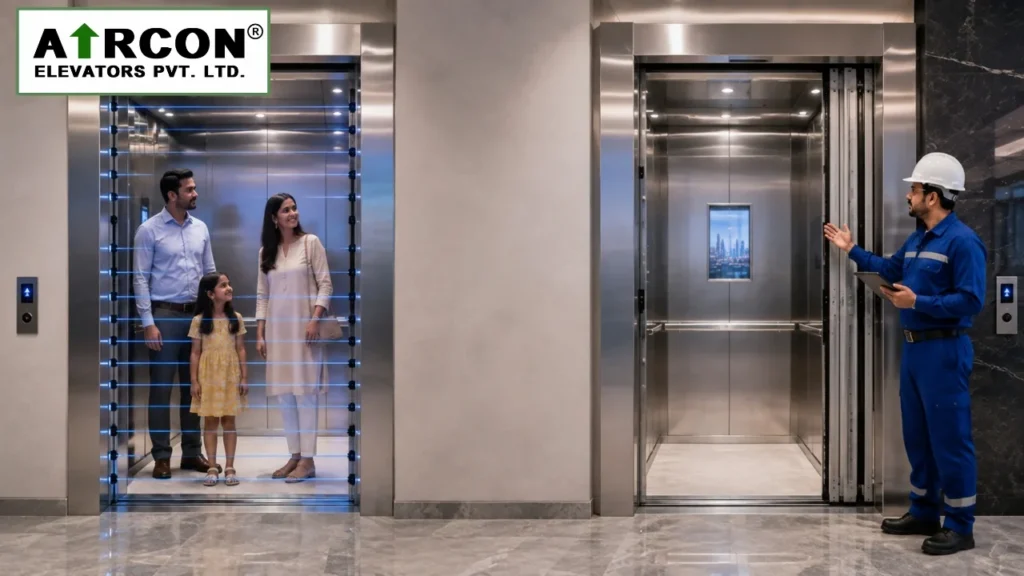
Elevator Door Sensor Technologies

Elevator Door Sensor Technologies: Infrared Curtains vs. Mechanical Edges

Elevator doors open and close lots of times every month. Elevator manufacturers install door protection sensors to keep passengers safe and prevent the doors from closing on people or objects. Two of the most common technologies are infrared light curtains and mechanical safety edges. While both systems improve passenger safety, they work differently and offer

Elevator Door Sensor Technologies: Infrared Curtains vs. Mechanical Edges Read More »

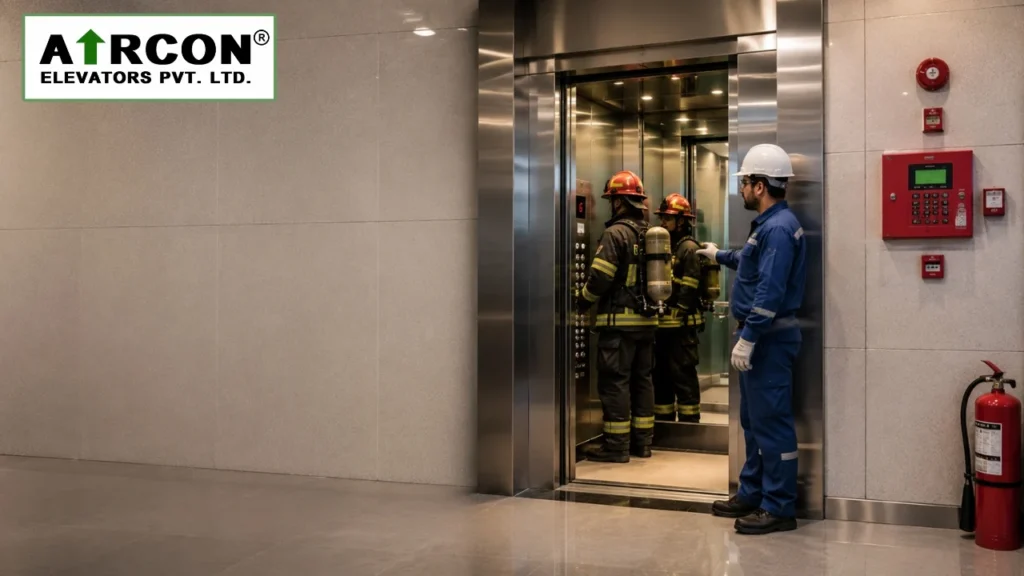
Phase I and Phase II Recall Systems

Fire Emergency Operations in Lifts: Phase I and Phase II Recall Systems

Fire safety is one of the most important aspects of elevator design. During a fire emergency, elevators must follow a controlled sequence that protects passengers and allows firefighters to respond safely. This is where Phase I and Phase II Fire Recall Systems play a vital role. These emergency operations automatically remove elevators from normal passenger

Fire Emergency Operations in Lifts: Phase I and Phase II Recall Systems Read More »