
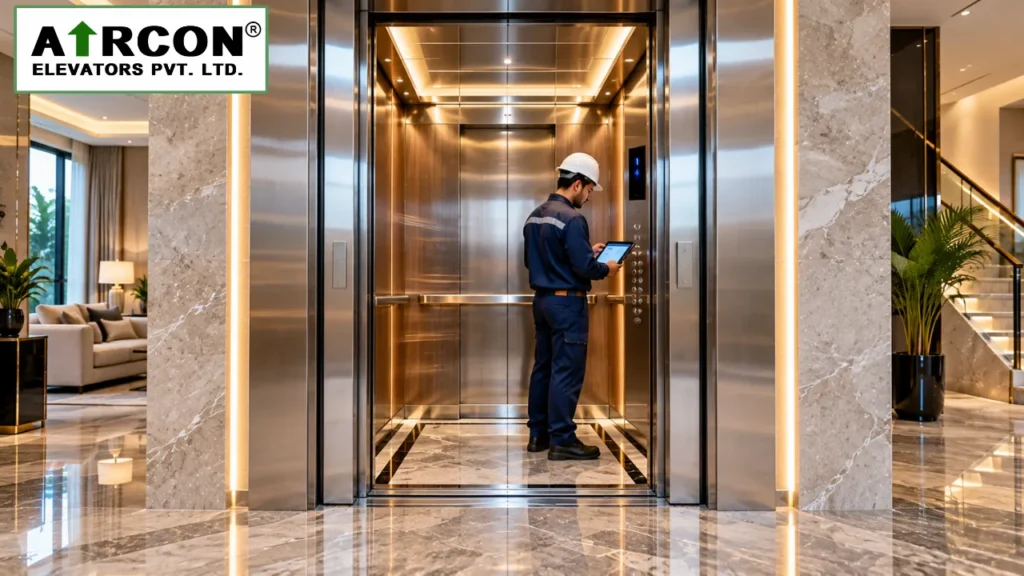
Have you ever wondered, “Why Is My Home Elevator Moving Slowly?” If your home elevator is taking longer than usual to travel between floors, the issue should never be ignored. While a slight reduction in speed may not always indicate a serious problem, it should never be ignored. A slow-moving elevator can affect convenience, reduce efficiency, and, in some cases, signal an underlying mechanical or electrical issue.
If you’re asking, “Why Is My Home Elevator Moving Slowly?”, it’s important to understand that modern home elevators are designed to provide smooth, reliable, and consistent performance. However, factors such as poor maintenance, electrical problems, worn components, controller faults, or incorrect settings can gradually reduce the elevator’s operating speed.
The good news is that if you’re wondering, “Why Is My Home Elevator Moving Slowly?”, most slow elevator problems can be identified early and resolved before they become expensive repairs.
Whether you’re a homeowner, builder, architect, or facility manager, understanding the common causes of slow elevator movement will help you recognize warning signs, maintain your system properly, and know when it’s time to call a professional.
Why Is My Home Elevator Moving Slowly?
A home elevator is considered slow when it takes noticeably longer than usual to travel between floors or when it accelerates and decelerates less smoothly than before.
In many cases, the change happens gradually, making it difficult for homeowners to notice immediately. However, if the elevator suddenly begins moving slower than normal, it may indicate a maintenance issue that requires inspection.
A slow-moving elevator does not always mean the motor is failing. Instead, several different systems work together to control elevator speed, and a problem in any one of them can affect overall performance.
These systems include:
- Elevator controller
- Drive system
- Electric motor
- Braking system
- Position sensors
- Power supply
- Safety devices
Because these components operate together, identifying why your home elevator is moving slowly requires a systematic inspection rather than guessing.
Why Is My Home Elevator Moving Slowly? Is It Always a Serious Problem?
Not necessarily.
Sometimes, a home elevator intentionally reduces its speed during specific operating conditions. For example, the controller may slow the elevator while approaching a landing to ensure accurate floor leveling and passenger comfort.
Similarly, certain maintenance or inspection modes intentionally limit elevator speed for safety reasons.
However, if the elevator remains slow during every trip or gradually becomes slower over time, it should be inspected by a qualified elevator technician.
Ignoring the issue could eventually lead to:
- Reduced passenger comfort
- Increased wear on elevator components
- Higher maintenance costs
- Unexpected breakdowns
- Longer waiting times
- Reduced equipment lifespan
Early diagnosis is almost always less expensive than major repairs later. If you’re repeatedly asking yourself, “Why Is My Home Elevator Moving Slowly?”, scheduling an inspection early can help prevent expensive repairs later.
Why Is My Home Elevator Moving Slowly? 11 Common Causes
Several different factors can reduce elevator speed. Some are simple maintenance issues, while others require professional troubleshooting.
Let’s look at the most common reasons why your home elevator is moving slowly.
1. Poor Elevator Maintenance
One of the biggest answers to “Why Is My Home Elevator Moving Slowly?” is lack of regular maintenance.
Over time, dust, dirt, moisture, and normal wear increase friction throughout the elevator system. As a result, moving parts may no longer operate as efficiently as they did when the elevator was new.
Without routine servicing, technicians may overlook small issues that gradually affect performance.
Common maintenance-related problems include:
- Dirty guide rails
- Worn rollers
- Dry lubrication points
- Loose electrical connections
- Aging mechanical components
Fortunately, most of these problems can be prevented by following a regular elevator maintenance checklist.
2. Low or Unstable Power Supply
If you’re wondering, “Why Is My Home Elevator Moving Slowly?”, an unstable electrical supply is one of the most common causes.
If the incoming voltage fluctuates or drops below the required level, the elevator motor may not receive enough power to operate at its normal speed.
Common electrical issues include:
- Voltage fluctuations
- Loose wiring
- Faulty electrical connections
- Undersized electrical circuits
- Problems with the building’s power supply
Although the elevator may continue operating, reduced voltage often results in slower acceleration and longer travel times.
If your home frequently experiences power fluctuations, it’s important to have both the electrical system and the elevator inspected.
For safe installation practices, homeowners should also understand the proper electrical connection required for a home elevator.
3. Overloaded Elevator
Every home elevator is designed to carry a specific maximum load.
When the elevator carries more weight than its rated capacity, the controller may intentionally reduce movement or prevent normal operation altogether.
Common causes of overloading include:
- Too many passengers
- Heavy furniture
- Large appliances
- Construction materials
- Oversized equipment
Modern elevators use load sensors to detect excessive weight before allowing normal travel.
To better understand how overload protection works, you can read our guide on lift overload protection.
4. Drive System Problems
Another common answer to “Why Is My Home Elevator Moving Slowly?” is a fault in the elevator drive system, which controls how smoothly the motor starts, accelerates, and stops.
If the Variable Frequency Drive (VFD) or drive controller develops a fault, the elevator may:
- Accelerate more slowly
- Travel below normal speed
- Stop less smoothly
- Require longer travel times
Because the drive system directly controls motor performance, even a small configuration issue can noticeably affect elevator speed.
Fortunately, most drive-related problems can be diagnosed using specialized service software during routine maintenance.
5. Worn or Misadjusted Elevator Brakes
The elevator braking system plays a vital role in ensuring safe and smooth operation. Although the brakes primarily stop and hold the elevator, they also work together with the controller during every trip.
Over time, brake components naturally wear out. If the brakes fail to release completely, they can create extra friction while the elevator is moving. As a result, the motor must work harder, which may cause the elevator to travel more slowly than normal.
Common brake-related issues include:
- Worn brake linings
- Improper brake adjustment
- Weak brake springs
- Brake coil problems
- Partial brake engagement
In addition to reducing speed, faulty brakes may also produce unusual noises or vibrations. Therefore, regular brake inspections are essential for maintaining smooth elevator performance.
To learn more about brake safety, you can also read our guide on lift brake inspection standards.
6. Elevator Controller Problems
If you want to understand why your home elevator is moving slowly, the elevator controller is one of the first components that technicians inspect because it acts as the brain of the entire system.
It continuously monitors the elevator’s position, speed, door status, and safety devices before sending commands to the motor and drive system.
However, if the controller develops a fault or contains incorrect programming, the elevator may intentionally reduce its operating speed.
Some possible controller-related issues include:
- Software errors
- Incorrect speed parameters
- Communication faults
- Faulty circuit boards
- Sensor input errors
Fortunately, these problems can often be diagnosed using specialized diagnostic tools during routine servicing.
Modern smart elevators rely heavily on advanced controllers to optimize both safety and ride quality.
7. Hydraulic Oil Problems (Hydraulic Home Elevators)
If your home uses a hydraulic elevator, the hydraulic system has a direct impact on elevator speed.
Hydraulic elevators depend on pressurized oil to move the cabin smoothly between floors. Consequently, any issue affecting oil flow can reduce overall performance.
Common hydraulic problems include:
- Low oil level
- Contaminated hydraulic oil
- Internal leakage
- Worn hydraulic seals
- Blocked valves
- Air trapped inside the hydraulic system
Additionally, old hydraulic oil loses its effectiveness over time, which may cause slower movement and less efficient operation.
Replacing the oil according to the manufacturer’s maintenance schedule helps maintain consistent performance.
For a better understanding of hydraulic systems, read our guide on hydraulic elevators.
8. Increased Friction on Guide Rails
Guide rails ensure that the elevator cabin travels vertically in a straight and stable path.
However, if the guide rails become dirty, damaged, or poorly lubricated, friction increases significantly.
As a result, the elevator motor must overcome greater resistance, which can reduce travel speed.
Common causes include:
- Dust accumulation
- Rust formation
- Lack of lubrication
- Bent guide rails
- Misalignment
Routine cleaning and lubrication help minimize friction and extend the life of the elevator’s moving parts.
To understand their function in more detail, check out our article on elevator guide rails.
9. Faulty Position Sensors
Modern home elevators use multiple electronic sensors to determine the cabin’s exact location inside the shaft.
These sensors help the controller:
- Monitor travel distance
- Control acceleration
- Reduce speed before stopping
- Achieve accurate floor leveling
However, if a sensor provides incorrect information, the controller may reduce speed as a precaution.
Possible sensor problems include:
- Dirty sensors
- Loose wiring
- Electrical interference
- Sensor misalignment
- Component failure
Fortunately, most sensor issues can be detected quickly during professional maintenance.
10. Temperature and Environmental Conditions
Although many homeowners overlook this factor, environmental conditions can also affect elevator performance.
For example:
- Extremely low temperatures can increase hydraulic oil viscosity.
- Excessive heat may affect electronic components.
- High humidity can contribute to corrosion.
- Dust accumulation may interfere with moving parts.
As a result, elevators installed in harsh environments may require more frequent maintenance to maintain normal operating speed.
Proper ventilation inside the elevator shaft and machine room helps reduce these environmental effects.
11. Aging Elevator Motor
Like any mechanical device, an elevator motor gradually wears with age.
Although modern motors are designed to last for many years, performance can slowly decline after extended use.
Signs of an aging motor may include:
- Slower acceleration
- Reduced lifting power
- Unusual humming sounds
- Increased operating temperature
- Higher electricity consumption
Fortunately, a worn motor does not always require immediate replacement. In many cases, technicians can restore performance through servicing or minor repairs.
If replacement eventually becomes necessary, modern gearless elevator motors offer improved efficiency and smoother operation.
Warning Signs That Explain Why Is My Home Elevator Moving Slowly
If you’re asking, “Why Is My Home Elevator Moving Slowly?”, these warning signs can help identify whether the problem requires professional attention.
If you notice any of the following symptoms, schedule an inspection as soon as possible:
- Elevator moves slower than usual
- Jerky starts or stops
- Longer waiting times
- Unusual noises
- Burning smell
- Floor leveling problems
- Frequent fault messages
- Repeated service interruptions
Addressing these issues early can prevent larger repairs and reduce long-term maintenance costs.
Can You Fix a Slow Home Elevator Yourself?
If you’re trying to solve “Why Is My Home Elevator Moving Slowly?”, most homeowners should not attempt to repair a slow elevator on their own.
Modern elevators contain high-voltage electrical systems, heavy mechanical components, and multiple safety devices that require specialized knowledge.
However, homeowners can safely perform a few basic checks, such as:
- Confirming the elevator is not overloaded
- Checking for power outages
- Looking for obvious warning messages
- Reporting unusual noises
- Scheduling routine maintenance
Any adjustments involving the controller, motor, brakes, hydraulic system, or safety devices should always be performed by certified elevator technicians.
How Do Professionals Diagnose Why Is My Home Elevator Moving Slowly?
When diagnosing why a home elevator is moving slowly, professional technicians don’t simply replace parts at random. Instead, they follow a structured inspection process to identify the exact cause of the problem.
A typical inspection usually includes:
- Checking the elevator controller for fault codes
- Measuring the incoming power supply voltage
- Inspecting the motor and drive system
- Examining the braking system
- Verifying sensor alignment
- Inspecting guide rails for dirt or damage
- Checking lubrication points
- Testing the elevator under different load conditions
After completing these checks, technicians can determine whether the issue is electrical, mechanical, hydraulic, or software-related.
Because modern elevators combine multiple technologies, professional diagnosis is always more reliable than trial-and-error repairs.
How to Prevent the Problem: Why Is My Home Elevator Moving Slowly?
Fortunately, many slow elevator problems can be prevented with proper care.
By following a regular maintenance schedule, homeowners can keep their elevators operating smoothly for many years.
Some practical preventive tips include:
- Schedule professional maintenance at recommended intervals.
- Never exceed the elevator’s rated capacity.
- Keep the elevator pit clean and dry.
- Ensure a stable electrical power supply.
- Listen for unusual sounds during operation.
- Report any warning signs immediately.
- Replace worn parts before they fail.
- Follow the manufacturer’s service recommendations.
Preventive maintenance not only improves elevator performance but also reduces long-term repair costs. In addition, following the manufacturer’s maintenance recommendations and recognized BIS elevator safety standards helps ensure your home elevator continues to operate safely, efficiently, and reliably throughout its service life.
When Should You Call an Elevator Technician?
Although minor issues may not require immediate repairs, certain symptoms should never be ignored.
Contact a qualified elevator technician if:
- The elevator suddenly becomes much slower than before.
- Travel between floors takes noticeably longer.
- The cabin shakes or vibrates during movement.
- The elevator stops unevenly at floors.
- Unusual grinding, scraping, or humming noises appear.
- Warning lights or fault codes are displayed.
- Hydraulic oil leakage is visible.
- The elevator repeatedly goes out of service.
Early inspection often prevents more serious and expensive problems later.
Can Regular Maintenance Fix Why Is My Home Elevator Moving Slowly?
Yes.
In many cases, regular maintenance helps restore smooth elevator performance by reducing friction, correcting adjustments, replacing worn components, and identifying developing problems before they become serious.
Professional maintenance commonly includes:
- Lubricating moving components
- Inspecting guide rails
- Testing safety devices
- Checking the braking system
- Inspecting electrical connections
- Cleaning sensors
- Updating controller settings (when required)
A well-maintained elevator usually operates more smoothly, more efficiently, and more reliably throughout its service life.
Does Elevator Type Affect Operating Speed?
Yes. Different elevator technologies naturally operate at different speeds.
For example:
- Hydraulic home elevators generally provide smooth, comfortable travel but are typically slower than traction systems.
- Traction elevators often achieve higher travel speeds because they use motors, ropes, and counterweights.
- Machine Room-Less (MRL) elevators combine compact design with efficient performance and are commonly used in modern residential and commercial buildings.
Therefore, homeowners should compare elevator technologies based not only on speed but also on maintenance requirements, installation space, and long-term operating costs.
Frequently Asked Questions (FAQs)
A home elevator may move slowly because of poor maintenance, low voltage, worn brakes, controller issues, hydraulic problems, increased guide rail friction, or aging mechanical components.
Yes. An unstable or low electrical supply can reduce motor performance, causing the elevator to accelerate more slowly and take longer to travel between floors.
Not always. However, if the elevator suddenly becomes much slower or is accompanied by unusual noises, vibrations, or leveling problems, it should be inspected by a qualified elevator technician as soon as possible.
Yes. Routine maintenance helps reduce friction, identify worn components, improve efficiency, and maintain smooth operation.
If the elevator is only slightly slower but otherwise operates normally, schedule a maintenance inspection. However, if it shows warning signs such as jerking, strange noises, oil leakage, or fault messages, stop using it until a professional inspection is completed.
Most manufacturers recommend servicing a home elevator at regular intervals, depending on usage, local regulations, and the manufacturer’s maintenance schedule.
Yes. Since modern elevators rely on electronic controllers and drive systems, software faults or incorrect controller settings can sometimes reduce operating speed.
Final Thoughts
A slow-moving home elevator is not always a sign of a major failure, but it should never be ignored. In many cases, the problem is caused by routine maintenance issues, electrical supply fluctuations, worn components, or controller settings rather than a serious mechanical defect.
Fortunately, regular inspections and preventive maintenance can identify these issues early, helping restore smooth operation while extending the elevator’s lifespan. Additionally, addressing small problems before they become major repairs can reduce maintenance costs and improve overall reliability.
If your home elevator continues moving slower than usual despite normal usage, the safest approach is to arrange a professional inspection. Qualified technicians have the tools and expertise to diagnose the root cause accurately and recommend the appropriate solution.
With proper care, routine servicing, and timely repairs, a modern home elevator can continue providing safe, comfortable, and reliable transportation for many years.