
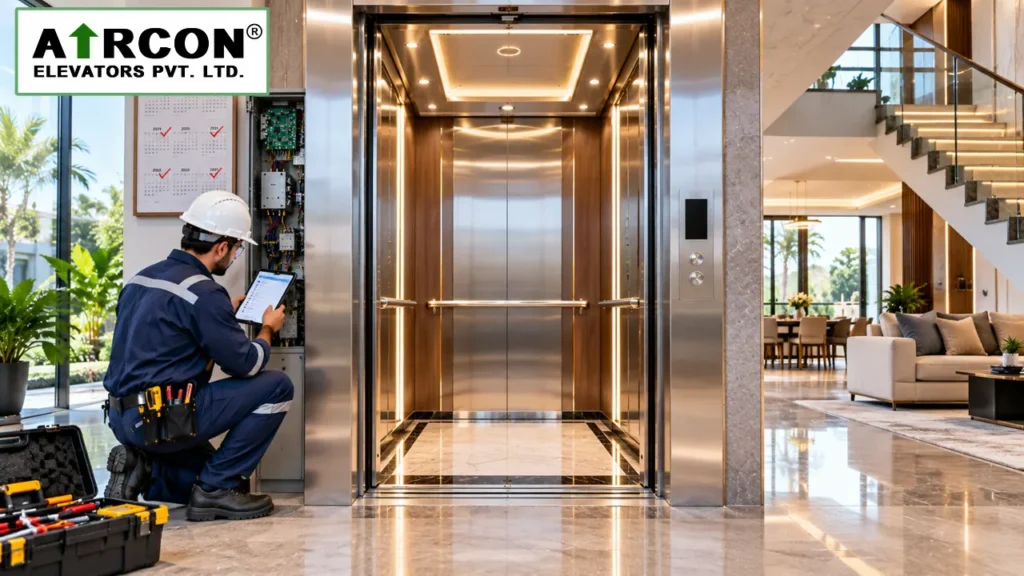
Installing a home elevator is a long-term investment that improves convenience, accessibility, and property value. However, one question almost every homeowner asks before making a purchase is: How Long Does a Home Elevator Last?
The good news is that a high-quality home elevator can serve your family reliably for decades. However, its actual lifespan depends on several factors, including the type of elevator, installation quality, usage frequency, maintenance schedule, and the quality of its components.
In this complete guide, you’ll learn the average lifespan of different types of home elevators, what affects their longevity, how regular maintenance extends their service life, and the signs that indicate it may be time for modernization or replacement. Whether you’re planning to install a new residential elevator or already own one, this guide will help you maximize your investment.
How Long Does a Home Elevator Last?
A well-maintained home elevator typically lasts 20 to 30 years, while some premium systems can operate reliably for more than 35 years. Its lifespan depends on installation quality, component quality, usage frequency, and regular maintenance. Routine inspections and timely replacement of worn parts can significantly extend the life of a residential elevator.
What Is the Average Lifespan of a Home Elevator?
A modern home elevator is designed to provide many years of reliable service when installed correctly and maintained on schedule.
On average, most residential elevators remain in good working condition for 20 to 30 years. Premium systems built with high-quality components and serviced regularly can continue operating safely for even longer.
However, the lifespan of a home elevator is not determined by age alone. Two elevators installed in the same year can perform very differently after two decades if one receives regular maintenance while the other is neglected.
Several factors influence how long a home elevator lasts, including:
- Elevator type
- Installation quality
- Component quality
- Daily usage
- Maintenance frequency
- Environmental conditions
- Availability of replacement parts
Because every installation is unique, manufacturers usually recommend periodic inspections to keep the elevator operating safely throughout its service life.
Home Elevator Lifespan by Elevator Type
Not all home elevators have the same expected lifespan. Different drive systems, moving components, and maintenance requirements can influence how long an elevator continues to operate efficiently.
The table below shows the typical lifespan of the most common residential elevator types.
| Elevator Type | Average Lifespan |
| Hydraulic Home Elevator | 20–25 Years |
| Gearless Traction Home Elevator | 25–35+ Years |
| Geared Traction Elevator | 20–30 Years |
| Machine Room-Less (MRL) Elevator | 25–30 Years |
| Vacuum Elevator | 20–25 Years |
Although these figures represent typical industry expectations, regular servicing and proper usage can help many elevators exceed their average lifespan.
Does Elevator Quality Affect Its Lifespan?
Absolutely.
One of the biggest factors that determines how long a home elevator lasts is the quality of the equipment installed from the beginning.
A residential elevator built with premium components usually experiences less wear, fewer unexpected breakdowns, and lower long-term maintenance costs than one built with low-quality parts.
Some of the most important components that influence elevator lifespan include:
- Traction machine or hydraulic power unit
- Elevator controller
- Guide rails
- Suspension ropes or belts
- Safety gear
- Governor
- Automatic door operator
- Electrical wiring
- Bearings and moving mechanical parts
Choosing a trusted elevator manufacturer that follows recognized safety standards can significantly improve both reliability and long-term performance.
Why Regular Maintenance Matters
Even the highest-quality home elevator requires regular maintenance to remain safe and reliable.
Over time, moving parts naturally experience wear due to continuous operation. Without routine inspections, small issues such as loose connections, worn rollers, low hydraulic oil levels, or improper door alignment can gradually develop into expensive repairs.
Regular preventive maintenance helps:
- Improve passenger safety
- Reduce unexpected breakdowns
- Extend equipment lifespan
- Maintain smooth ride quality
- Lower long-term repair costs
- Identify worn parts before failure
For this reason, manufacturers recommend following a scheduled maintenance program rather than waiting until problems appear.
How Long Does a Home Elevator Last?
What Factors Affect the Lifespan of a Home Elevator?
Not every home elevator lasts the same number of years. While some systems continue operating efficiently for over 30 years, others may require major repairs much sooner.
Several factors directly influence how long a home elevator remains safe, reliable, and cost-effective.
1. Quality of the Elevator
The overall quality of the elevator is one of the biggest factors affecting its lifespan.
A lift manufactured using premium-grade steel, reliable electrical components, and high-quality safety systems generally lasts much longer than one built with lower-quality materials.
Choosing a trusted manufacturer may require a higher initial investment, but it often reduces repair costs and extends the elevator’s service life.
2. Installation Quality
Even the best home elevator can experience problems if it is installed incorrectly.
Proper alignment of guide rails, accurate wiring, secure mounting, and correct calibration all contribute to long-term performance.
That’s why it’s important to work with experienced professionals during the installation process. Following a detailed home elevator installation guide can also help homeowners understand what to expect before installation begins.
3. Frequency of Use
How often you use your home elevator also affects its lifespan.
For example:
- A lift used 10–15 times per day experiences less wear than one used 80–100 times daily.
- Homes with multiple family members generally place more demand on the elevator.
- Frequent operation increases wear on moving components such as rollers, door mechanisms, brakes, and motors.
Although modern home elevators are designed for regular use, excessive usage may shorten the lifespan of certain components.
4. Regular Maintenance
Routine maintenance is one of the most important factors in extending elevator life.
Professional servicing helps identify worn components before they fail and ensures that safety systems continue working properly.
A preventive maintenance schedule usually includes:
- Lubricating moving parts
- Inspecting brakes and guide rails
- Checking door operation
- Testing safety devices
- Examining electrical connections
- Verifying controller performance
Skipping maintenance often leads to avoidable breakdowns and more expensive repairs later.
5. Environmental Conditions
The location where the elevator is installed also plays a major role.
Environmental factors that may reduce lifespan include:
- High humidity
- Dust accumulation
- Water leakage
- Corrosion
- Poor ventilation
- Extreme temperatures
Keeping the elevator shaft clean and dry helps protect mechanical and electrical components over time.
6. Load Capacity
Repeatedly overloading a home elevator places unnecessary stress on the motor, suspension system, brakes, and guide rails.
Following the manufacturer’s recommended weight limit helps prevent premature wear and improves long-term reliability.
Average Lifespan of Major Home Elevator Components
Although the elevator itself may last for decades, individual components wear out at different rates.
Here are the typical service lives of common home elevator parts under normal residential use:
| Component | Typical Lifespan |
| Elevator Cabin | 25–35+ Years |
| Guide Rails | 30+ Years |
| Gearless Motor | 20–30 Years |
| Hydraulic Pump Unit | 15–25 Years |
| Elevator Controller | 15–20 Years |
| Automatic Doors | 15–25 Years |
| Door Sensors | 10–15 Years |
| Elevator Brake | 10–20 Years |
| Suspension Ropes / Belts | 10–20 Years |
| Battery Backup / ARD Batteries | 3–5 Years |
Many of these components can be replaced individually without replacing the entire elevator, allowing homeowners to extend the overall lifespan of the system.
Signs Your Home Elevator May Need Modernization
Even if a home elevator is still operating, aging components can affect its performance, safety, and efficiency.
Some common warning signs include:
Frequent Breakdowns
If the elevator requires repairs every few months, key components may be approaching the end of their service life.
Slow or Jerky Movement
Rough rides, vibration, or inconsistent leveling may indicate wear in the motor, controller, guide system, or drive mechanism.
Unusual Noises
Grinding, squeaking, knocking, or rattling sounds should never be ignored because they often indicate mechanical wear.
Door Problems
Doors that open slowly, fail to close properly, or become misaligned usually require inspection.
Outdated Safety Features
Older elevators may lack modern safety technologies such as:
- Automatic Rescue Device (ARD)
- Infrared Door Sensors
- Emergency Communication Systems
- Advanced Controllers
- Energy-Efficient Drives
Upgrading these systems can improve both safety and user experience.
Difficulty Finding Spare Parts
As elevators age, replacement parts for older models may become difficult or expensive to obtain.
In some cases, modernization becomes a more practical solution than repeated repairs.
Can Regular Maintenance Increase Elevator Lifespan?
Absolutely.
Routine maintenance is one of the easiest and most effective ways to maximize the lifespan of a home elevator.
Professional maintenance helps:
- Detect minor issues before they become major failures.
- Reduce wear on moving parts.
- Improve ride quality.
- Maintain safety performance.
- Lower long-term repair costs.
- Minimize unexpected downtime.
- Extend the life of expensive components.
Many homeowners assume maintenance is only necessary when something goes wrong. In reality, preventive servicing helps avoid many common problems altogether.
Home Elevator Maintenance Tips to Extend Lifespan
Homeowners can also take simple steps to keep their elevator operating smoothly between professional service visits.
Here are some practical tips:
- Never exceed the rated load capacity.
- Schedule maintenance according to the manufacturer’s recommendations.
- Keep the elevator clean and free from dust.
- Prevent water from entering the elevator pit or shaft.
- Report unusual noises immediately.
- Avoid forcing elevator doors open or closed.
- Ensure children use the elevator responsibly.
- Replace worn components before they fail completely.
Following these practices can significantly improve reliability and reduce long-term ownership costs.
Repair vs Replace: Which Is Better?
As a home elevator gets older, many homeowners wonder whether they should continue repairing it or replace it entirely.
The right decision depends on the elevator’s age, condition, maintenance history, and repair costs.
Repair Your Home Elevator If:
- The elevator is less than 20 years old.
- Repairs are minor and inexpensive.
- Spare parts are readily available.
- Safety systems are functioning properly.
- The elevator continues to operate smoothly.
Consider Replacing or Modernizing If:
- The elevator is more than 25–30 years old.
- Major components fail frequently.
- Repair costs continue increasing every year.
- Spare parts are difficult to source.
- The elevator lacks modern safety features.
- Energy efficiency has significantly decreased.
In many cases, modernization offers the best balance between cost and performance by replacing only outdated components while keeping the main structure intact.
How Long Do Different Types of Home Elevators Last?
The expected lifespan also varies depending on the type of elevator installed.
| Elevator Type | Average Lifespan |
| Hydraulic Home Elevator | 20–30 Years |
| Traction Home Elevator | 25–35 Years |
| Gearless Home Elevator | 30+ Years |
| Machine Room-Less (MRL) Elevator | 25–30 Years |
| Vacuum Home Elevator | 20–25 Years (varies by manufacturer) |
Although each system has different mechanical designs, proper installation and routine maintenance remain the biggest factors affecting longevity.
How Much Does It Cost to Extend the Lifespan of a Home Elevator?
Extending the life of a home elevator is usually far more affordable than replacing the entire system.
Some common long-term investments include:
- Annual preventive maintenance
- Replacing worn rollers or door components
- Updating the elevator controller
- Installing a new Automatic Rescue Device (ARD)
- Replacing batteries
- Upgrading door sensors
- Modernizing the control panel
While these upgrades involve some cost, they often improve safety, reduce breakdowns, and delay the need for a complete replacement.
Common Myths About Home Elevator Lifespan
Many homeowners have misconceptions about how long a home elevator should last. Let’s separate fact from fiction.
Myth 1: Every Home Elevator Lasts Exactly 20 Years
False.
Some elevators last over 30 years with proper maintenance, while poorly maintained systems may require major repairs much sooner.
Myth 2: Maintenance Is Only Needed When Something Breaks
False.
Preventive maintenance helps identify small problems early and significantly extends the elevator’s lifespan.
Myth 3: Replacing Small Parts Means the Entire Elevator Is Failing
False.
Many components, such as door sensors, controllers, batteries, and brakes, naturally wear over time and can be replaced without replacing the complete elevator.
Myth 4: Modern Home Elevators Require No Maintenance
False.
Even the latest home elevators require regular inspections, lubrication, testing, and servicing to maintain safety and reliability.
Frequently Asked Questions (FAQs)
Most quality home elevators last between 20 and 30 years, while premium systems with proper maintenance can continue operating for 30 years or more.
Yes. Routine maintenance reduces wear, improves reliability, and helps detect problems before they become expensive repairs.
Gearless traction elevators generally offer the longest service life because they have fewer wearing mechanical components and excellent long-term reliability.
Most manufacturers recommend professional servicing at regular intervals based on usage and local regulations. Homes with frequent daily use may require more frequent inspections.
Modernization should be considered when the elevator experiences frequent breakdowns, replacement parts become difficult to obtain, or important safety features become outdated.
Yes. Replacing worn components before they fail helps improve performance, reduce repair costs, and extend the overall life of the elevator.
Not necessarily. If the main structure remains in good condition, modernization or targeted repairs are often more cost-effective than a complete replacement.
Final Thoughts
A well-designed home elevator is a long-term investment that can provide safe and reliable service for 20 to 30 years or even longer when properly maintained.
However, lifespan depends on several factors, including build quality, installation standards, usage, environmental conditions, and regular maintenance.
By following a preventive maintenance schedule, avoiding overloading, and upgrading aging components when necessary, homeowners can significantly extend the life of their elevator while improving safety and reducing long-term operating costs.
If you’re planning to install a new home elevator, choosing a trusted manufacturer and committing to regular servicing will help ensure dependable performance for many years to come.