
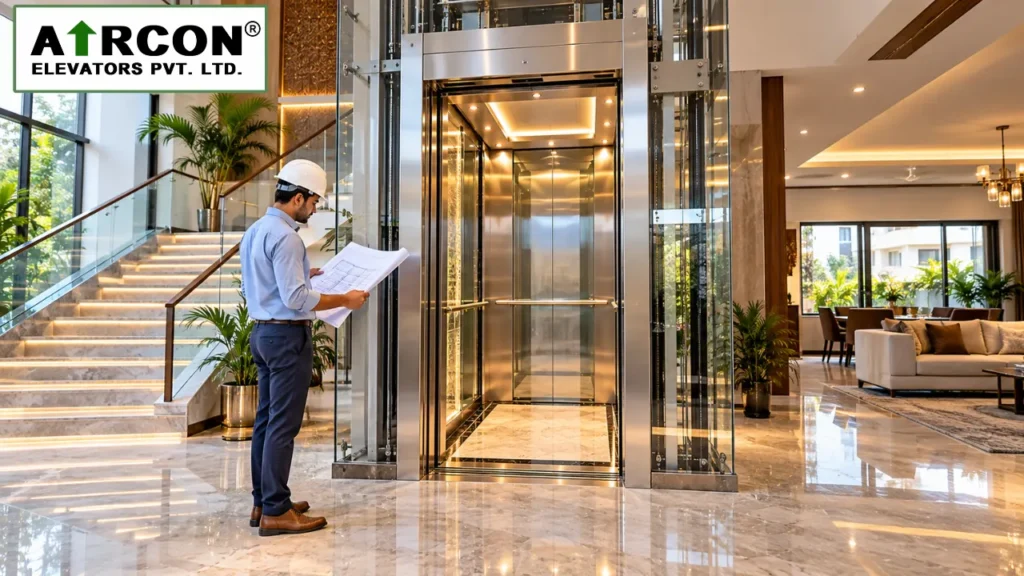
Installing a home elevator is no longer considered a luxury reserved for large mansions. Today, homeowners across India are choosing residential elevators to improve accessibility, enhance comfort, and increase the long-term value of their properties. Whether you’re building a new home or renovating an existing one, selecting the right elevator requires careful planning.
This Home Elevator Installation Guide explains everything you should know before investing in a home lift from choosing the right type and planning the installation to understanding safety features and maintenance requirements.
Why More Indian Homeowners Are Installing Elevators
Modern homes are becoming taller, while families often include elderly parents or individuals with mobility challenges. Climbing stairs several times a day can become difficult over time.
A home elevator provides:
- Easy and comfortable access between every floor
- Greater independence for senior citizens and people with limited mobility
- Safer movement for children, elderly family members, and wheelchair users
- Better convenience while carrying groceries, luggage, or heavy household items
- Improved accessibility for future lifestyle needs
- Higher property value and stronger resale appeal
- A modern, premium living experience with enhanced everyday comfort
Beyond convenience, a residential elevator is a practical investment that supports future lifestyle needs.
When Should You Plan for a Home Elevator?
The ideal time to plan for an elevator is during the design stage of a new house. Early planning allows architects to allocate the required shaft space, electrical provisions, and structural support.
However, modern home elevators can also be installed in existing homes with customized designs that minimize structural modifications.
Professional site evaluation helps determine the most suitable installation method for your property.
Types of Home Elevators Available
Choosing the right technology is one of the most important decisions.
Hydraulic Home Elevators
- Hydraulic elevators are known for smooth operation, quiet performance, and strong lifting capacity. They are suitable for low-rise residential buildings and villas.
Traction Home Elevators
- Traction elevators use ropes and counterweights, making them energy-efficient and suitable for homes with multiple floors.
Machine Room-Less (MRL) Elevators
- MRL elevators eliminate the need for a separate machine room, making them an excellent choice where space is limited.
Glass Home Elevators
- Panoramic glass elevators combine functionality with elegant design, becoming an attractive architectural feature inside luxury homes.
Important Factors to Consider Before Buying
Every home is different, so selecting the right elevator depends on several factors.
Available Space
- Evaluate whether your home has sufficient space for an elevator shaft or whether a compact solution is more appropriate.
Number of Floors
- The total travel height helps determine the most suitable elevator technology.
Passenger Capacity
- Most residential elevators are designed for two to six passengers, depending on family requirements.
Future Accessibility
- Consider long-term needs, including elderly family members, wheelchair access, or changing mobility requirements.
Interior Design
- Choose finishes, lighting, and cabin materials that complement your home’s architecture.
Budget Planning
- The overall investment includes manufacturing, installation, civil work, electrical preparation, and future maintenance.
Essential Safety Features
A quality home elevator should include advanced safety systems that provide confidence during everyday use.
When comparing different home elevators, make sure the system includes these essential safety features:
- Automatic Rescue Device (ARD)
- Infrared Door Safety Sensors
- Emergency Alarm Button
- Battery Backup System
- Overload Detection System
- Emergency LED Lighting
- Door Interlocking Safety System
- Automatic Emergency Lowering
- Anti-Skid Cabin Flooring
- Child Lock and Safety Controls
These systems help ensure safe operation even during unexpected power interruptions while supporting applicable safety standards.
How the Installation Process Works
Installing a home elevator involves several carefully managed stages.
Site Inspection
- Engineers inspect the building and assess available space, structural strength, and electrical requirements.
Design Consultation
- The elevator is customized according to the home’s layout, passenger needs, and interior preferences.
Manufacturing
- Each elevator is manufactured using high-quality materials and precision engineering.
Civil Preparation
- If required, the shaft, pit, and machine room (where applicable) are prepared before installation begins.
Installation
- Certified technicians install the elevator while following strict quality and safety standards.
Testing & Commissioning
- Before handover, engineers perform complete functional testing, safety verification, ride comfort checks, leveling accuracy tests, and final commissioning to ensure reliable operation.
How Long Does Home Elevator Installation Take?
The installation time depends on the elevator type, civil work, and project complexity.
In most residential projects:
- Site inspection: 1–2 days
- Manufacturing: 3–6 weeks
- Civil preparation: Depends on site conditions
- Installation: 5–10 working days
- Testing and commissioning: 1–2 days
Planning the project early helps avoid unnecessary delays and ensures a smoother installation process.
Customization Options
Modern home elevators can be personalized to suit your home’s design.
Popular customization options include:
- Stainless Steel Interiors
- Glass Panels
- Designer Ceilings
- Premium Flooring
- Automatic Doors
- Touch Control Panels
- Voice Announcements
- LED Lighting
- Mirror Finish
- Smart Access Controls
These options allow homeowners to create an elevator that blends seamlessly with the rest of the house.
Maintenance Matters
Like any mechanical system, a home elevator requires regular servicing to maintain safe and reliable operation.
Regular preventive maintenance normally includes:
- Mechanical component inspection
- Electrical system diagnostics
- Door alignment and adjustment
- Lubrication of moving parts
- Safety device testing
- Ride quality and leveling inspection
- Controller diagnostics and software checks (where applicable)
Annual Maintenance Contracts (AMC) help ensure long-term reliability while reducing the risk of unexpected breakdowns.
Common Mistakes to Avoid
Many buyers focus only on price while overlooking important technical considerations.
Before finalizing your purchase, avoid these common mistakes:
- Buying only on the basis of price
- Ignoring future accessibility requirements
- Choosing an elevator without proper site inspection
- Selecting a supplier with limited after-sales service
- Compromising on essential safety features
- Delaying electrical and civil planning until installation begins
A well-planned installation delivers better performance and lower long-term costs.
Why Choose Aircon Elevators Pvt. Ltd.?
Aircon Elevators provides customized residential elevator solutions designed for Indian homes.
When you choose Aircon Elevators Pvt. Ltd., you benefit from:
- Customized Home Elevator Designs
- Modern Elevator Technologies
- Premium Cabin Finishes
- Advanced Safety Systems
- Professional Installation Team
- Timely Project Execution
- Comprehensive AMC Services
- Reliable After-Sales Support
We work closely with homeowners, architects, and builders to deliver elevators that combine safety, comfort, and elegant design.
How to Choose the Right Home Elevator Company
Before selecting a home elevator supplier, consider the following:
- Industry experience
- Manufacturing quality
- Safety certifications
- Customization options
- After-sales service
- AMC availability
- Installation expertise
- Customer reviews
- Spare parts availability
- Warranty coverage
Choosing an experienced elevator company helps ensure reliable performance, long-term safety, and dependable service support.
Frequently Asked Questions
Space requirements depend on the elevator model and capacity. Compact solutions are available for homes with limited space.
Yes. Many modern home elevators are specifically designed for retrofitting into existing residential buildings with minimal structural changes.
Yes. Modern home elevators include advanced safety features such as door sensors, emergency alarms, battery backup, and automatic rescue systems.
The ideal choice depends on your home’s structure, available space, number of floors, and budget. A professional site assessment helps determine the most suitable solution.
Yes. Aircon Elevators Pvt. Ltd. offers complete design, manufacturing, installation, testing, modernization, preventive maintenance, and Annual Maintenance Contract (AMC) services across India.
Make the Right Investment for Your Home
Choosing the right residential elevator is about more than moving between floors it’s about improving comfort, accessibility, safety, and long-term property value.
Whether you’re constructing a new home or upgrading an existing one, Aircon Elevators Pvt. Ltd. provides expert guidance and customized home elevator solutions tailored to your lifestyle and building requirements.
Contact Aircon Elevators Pvt. Ltd. today to schedule a professional site inspection, discuss your requirements with our experts, and receive a customized home elevator solution with a detailed quotation.