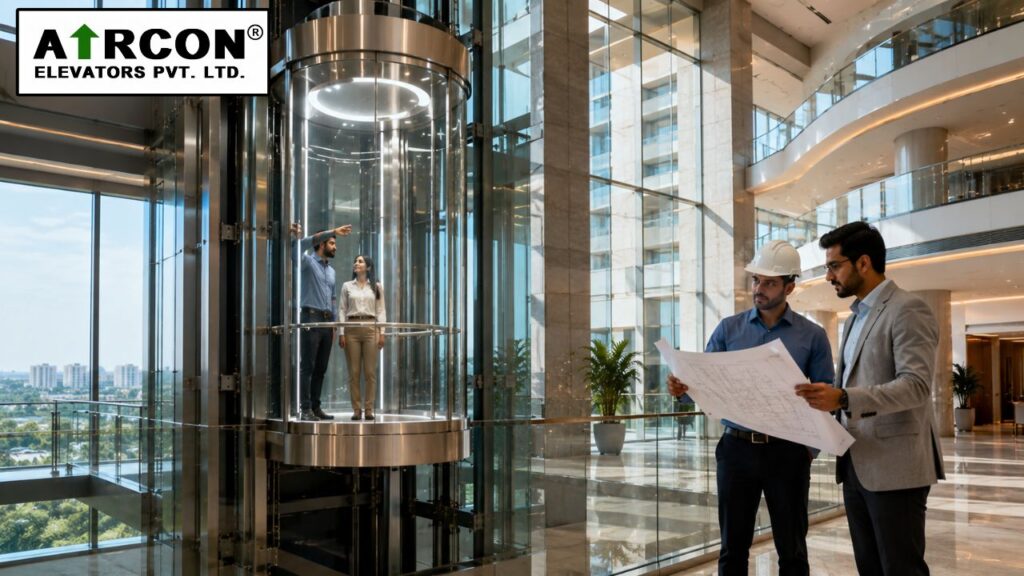
Glass elevators have become a popular choice for luxury homes, hotels, shopping malls, office buildings, and premium commercial spaces. Besides providing smooth vertical transportation, they create an impressive architectural feature that enhances the overall appearance of a building. Their transparent design, premium finishes, and panoramic views make them stand out from conventional elevators.
However, one of the first questions buyers ask is, “How much does a glass elevator cost?” The answer depends on several factors rather than a fixed price. Cabin design, lift technology, travel height, passenger capacity, customization, and installation requirements all influence the final investment. Glass elevators generally cost more than standard steel cabin lifts because they use laminated or toughened safety glass and require specialized engineering.
If you understand these cost factors before requesting quotations, you can compare options more confidently and choose a solution that matches both your building and your budget.
What Is a Glass Elevator?
A glass elevator, also called a panoramic elevator or capsule lift, uses transparent glass panels in the cabin, shaft, or both. Unlike traditional enclosed elevators, these lifts allow passengers to enjoy outside views while travelling between floors.
Architects often install glass elevators in locations where the lift itself becomes part of the building’s design rather than simply serving as transportation.
Common applications include:
- Luxury Villas
- Hotels
- Shopping Malls
- Office Buildings
- Hospitals
- Airports
- Commercial Complexes
- High-End Residential Projects
What Affects the Cost of a Glass Elevator?
Every project has different requirements. Therefore, manufacturers calculate pricing after evaluating several technical and architectural factors.
1. Type of Glass Elevator
The elevator type has the biggest impact on overall cost.
For example:
- Panoramic Passenger Elevators
- Capsule Elevators
- Hydraulic Glass Elevators
- Traction Glass Elevators
- Machine Room Less (MRL) Glass Elevators
Each system offers different speed, travel height, and installation requirements, which directly affect pricing.
2. Cabin Size and Passenger Capacity
A larger cabin requires more structural glass, stronger components, and a higher-capacity drive system.
Common capacities include:
- 4 Passenger
- 6 Passenger
- 8 Passenger
- 10 Passenger
- 13 Passenger
As capacity increases, material requirements and manufacturing costs also increase.
3. Number of Floors
Travel height significantly influences the final quotation.
Installing a lift for two floors requires fewer components than installing one in a six or eight-storey building.
Additional floors may require:
- Longer guide rails
- Extra landing doors
- More electrical wiring
- Larger counterweight systems
- Higher-capacity machinery
As a result, project costs typically increase with building height.
4. Glass Quality
Glass quality plays a major role in both safety and pricing.
Most premium elevators use:
- Toughened Safety Glass
- Laminated Safety Glass
- Tinted Glass
- Low-Iron Glass
- Decorative Frosted Glass
Higher-grade safety glass improves durability and passenger protection while also increasing manufacturing costs.
5. Custom Design Requirements
Every building has its own architectural style.
Many customers customize:
- Cabin Shape
- Stainless Steel Finish
- LED Lighting
- Flooring Materials
- Ceiling Design
- Glass Tint
- Handrails
- Control Panels
Although customization creates a premium appearance, it also increases the overall project cost.
6. Installation Complexity
Installation costs vary from one site to another.
Factors that influence installation include:
- Available Shaft Space
- Structural Modifications
- Exterior Installation
- Existing Building Retrofit
- Electrical Preparation
- Civil Construction Requirements
Projects that require extensive structural work generally involve higher installation expenses.
7. Lift Technology
The drive system also affects pricing.
Common technologies include:
Hydraulic Elevators
- Suitable for low-rise buildings where moderate travel heights are sufficient.
Traction Elevators
- Ideal for medium and high-rise projects that require smooth operation, higher speeds, and energy-efficient performance.
Machine Room Less (MRL) Elevators
- MRL systems eliminate the need for a separate machine room, helping optimize available building space.
Each technology offers different advantages, so the right choice depends on the building’s requirements rather than price alone.
8. Safety Features
Modern glass elevators include advanced safety systems that improve passenger confidence.
Popular features include:
- Automatic Rescue Device (ARD)
- Door Interlock System
- Emergency Alarm
- Overload Protection
- Emergency Lighting
- Auto Levelling
- Battery Backup
- Safety Brakes
Additional safety equipment may increase the initial investment while improving long-term reliability.
9. Maintenance Requirements
Many buyers focus only on installation costs.
However, regular maintenance also forms part of the total ownership cost.
Annual maintenance usually includes:
- Safety Inspections
- Lubrication
- Electrical Testing
- Door Adjustment
- Performance Checks
- Preventive Maintenance
Regular servicing helps reduce unexpected breakdowns and extends the elevator’s service life.
Why Are Glass Elevators More Expensive Than Standard Elevators?
Glass elevators require more than attractive cabins.
Manufacturers use premium safety glass, reinforced structural framing, specialized fabrication, and precision installation techniques to achieve both safety and aesthetics. These engineering requirements often make panoramic and capsule elevators more expensive than conventional steel-cabin lifts.
However, many property owners consider the additional investment worthwhile because a glass elevator can enhance the building’s appearance, improve the passenger experience, and increase overall property value.
How to Control Your Glass Elevator Budget
You can optimize your investment by following a few practical steps:
- Define your building requirements before requesting quotations.
- Choose a passenger capacity that matches actual daily usage.
- Select only the customization features you truly need.
- Compare complete proposals instead of focusing only on the initial price.
- Consider long-term maintenance and service support before making a final decision.
A well-planned project often delivers better value than simply choosing the lowest quotation.
Why Choose Aircon Elevators?
At Aircon Elevators Pvt. Ltd., we manufacture customized panoramic and capsule elevators that combine elegant design with dependable engineering.
Our solutions offer:
- Customized Glass Elevator Designs
- Premium Safety Features
- Smooth and Quiet Performance
- Professional Installation
- Energy-Efficient Technology
- Reliable After-Sales Support
- Annual Maintenance Contracts (AMC)
- Elevator Modernization Services
Our experienced team works closely with architects, builders, and homeowners to deliver elevator solutions that complement every project.
Frequently Asked Questions
Cabin size, lift type, travel height, passenger capacity, glass quality, customization, installation complexity, and safety features all influence the final cost.
In many cases, yes. Premium glass materials, customized designs, and specialized installation often increase the overall project cost.
Yes. Many existing buildings can accommodate a glass elevator after a site inspection confirms the available space and structural requirements.
The maintenance schedule remains similar to other elevators, although regular cleaning helps preserve the appearance of the glass panels.
Yes. Aircon Elevators manufactures and installs customized panoramic and capsule elevators for residential and commercial projects.
A glass elevator offers much more than convenient vertical transportation, it becomes a defining architectural feature that enhances the look and value of a building. While the final cost depends on several technical and design factors, understanding those variables helps you make an informed investment.
At Aircon Elevators Pvt. Ltd., we design and manufacture customized panoramic and capsule elevators that combine safety, performance, and modern aesthetics. Whether you are planning a luxury residence, hotel, shopping mall, or commercial building, our team can help you select a solution that meets your functional needs and design vision.