
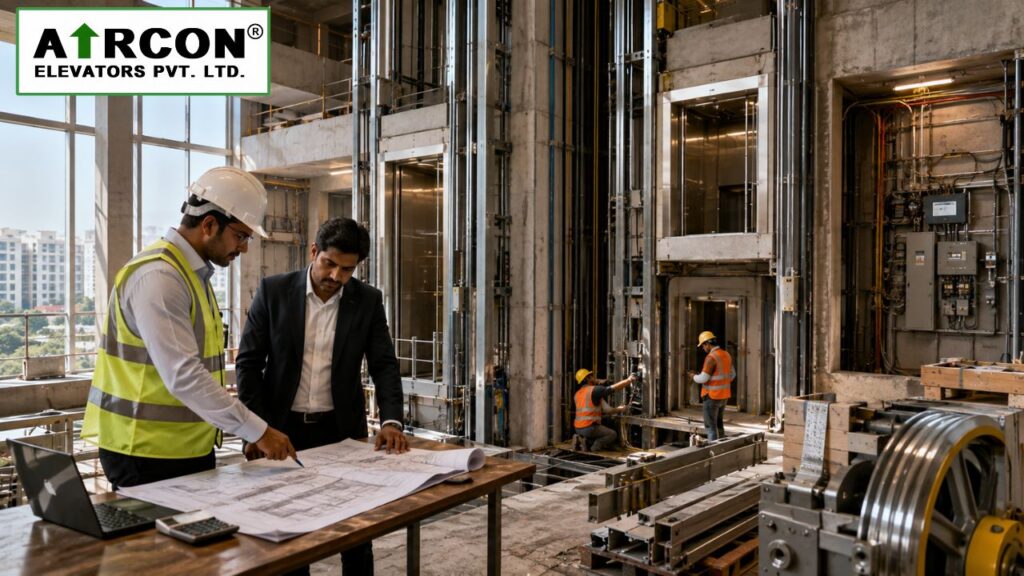
Installing an elevator adds convenience, improves accessibility, and increases the value of a property. However, many building owners focus only on the elevator’s purchase price and overlook several additional expenses that arise during planning and installation. As a result, projects often exceed the original budget or face unexpected delays.
Understanding these hidden costs before starting your project allows you to plan more accurately and avoid costly surprises. Whether you’re installing a home lift, passenger elevator, hospital lift, or goods elevator, a complete budget should include more than just the equipment itself.
At Aircon Elevators Pvt. Ltd., we help customers evaluate every stage of an elevator project so they can make informed decisions and keep installation costs under control.
Why Do Hidden Costs Matter?
The elevator itself represents only one part of the total investment. Civil work, electrical preparation, structural modifications, government approvals, and future maintenance can all add to the overall project cost.
Planning for these expenses early helps you:
- Create a realistic project budget
- Prevent construction delays
- Avoid unexpected changes during installation
- Improve long-term project planning
1. Civil Construction Costs
Many buildings require structural preparation before elevator installation begins.
These expenses may include:
- Elevator shaft construction
- RCC work
- Brickwork
- Machine room construction (if required)
- Pit construction
- Overhead clearance modifications
- Waterproofing
The amount varies depending on whether the building is new or already constructed.
2. Structural Modifications in Existing Buildings
Retrofitting an elevator into an existing building often requires additional structural work.
For example:
- Removing walls
- Reinforcing floors
- Creating new openings
- Strengthening support beams
- Relocating utilities
These modifications can increase both project time and cost.
3. Electrical Infrastructure
An elevator requires a dedicated electrical supply for safe and reliable operation.
Additional electrical expenses may include:
- Power cable installation
- Distribution panel upgrades
- Circuit breakers
- Earthing
- Emergency power connections
- Wiring for landing controls
Proper electrical planning ensures smooth elevator performance after installation.
4. Landing Door Finishing
Many quotations include elevator doors but not the finishing work around them.
Building owners may also need to budget for:
- Granite or marble finishing
- Wall repairs
- Painting
- Decorative cladding
- Tile work
These finishing details improve the appearance of each landing.
5. Interior Cabin Customization
A standard cabin usually costs less than a customized design.
Optional upgrades include:
- Premium stainless-steel finishes
- Decorative ceiling panels
- Designer flooring
- Mirror panels
- Glass walls
- Touch control panels
- Custom lighting
Although these upgrades enhance aesthetics, they also increase the total investment.
6. Additional Safety Features
Modern elevators include essential safety systems as standard. However, customers sometimes choose extra features for greater convenience and protection.
Examples include:
- Automatic Rescue Device (ARD)
- CCTV Cameras
- Access Control Systems
- Voice Announcements
- Touchless Controls
- Smart Monitoring
Adding these features may increase the initial project cost while improving passenger safety and user experience.
7. Government Approvals and Inspections
Depending on local regulations, certain projects may require inspections, certifications, or statutory approvals before the elevator enters service.
Building owners should confirm these requirements during the planning stage to avoid unexpected delays.
8. Transportation and Site Logistics
Transportation costs vary based on:
- Project location
- Distance from the manufacturing facility
- Site accessibility
- Material handling requirements
Projects in remote areas may require additional logistics planning.
9. Annual Maintenance Costs
Many buyers overlook maintenance expenses when calculating the total project budget.
Regular maintenance typically includes:
- Safety inspections
- Lubrication
- Electrical testing
- Door adjustments
- Performance checks
- Preventive servicing
Routine maintenance improves reliability and extends the elevator’s service life.
10. Future Modernization
Technology continues to evolve throughout an elevator’s lifespan.
After years of operation, building owners may choose to upgrade:
- Controllers
- Drive systems
- Cabin interiors
- Landing panels
- Safety equipment
- Energy-efficient components
Planning for future modernization helps maintain performance and compliance.
How to Avoid Unexpected Elevator Expenses?
A few simple steps can help control your installation budget.
- Request a detailed project quotation.
- Confirm what the quoted price includes.
- Discuss civil work before installation begins.
- Evaluate customization requirements carefully.
- Plan electrical infrastructure in advance.
- Include maintenance costs in your long-term budget.
- Choose an experienced elevator manufacturer.
Clear communication during the planning stage reduces the risk of unexpected expenses later.
Why Choose Aircon Elevators?
At Aircon Elevators Pvt. Ltd., we believe every customer deserves complete transparency before starting an elevator project.
Our services include:
- Site Evaluation
- Customized Elevator Design
- Professional Installation
- Project Planning Assistance
- Passenger Elevators
- Home Lifts
- Goods Elevators
- Capsule Elevators
- Annual Maintenance Contracts (AMC)
- Elevator Modernization
Our team works closely with architects, builders, and homeowners to identify project requirements early and provide practical solutions that fit both technical needs and budget expectations.
Frequently Asked Questions
Civil construction, structural modifications, and electrical preparation often add significant costs beyond the elevator equipment.
Yes. Existing buildings may require structural changes, additional civil work, and utility relocation, which can increase the total project cost.
Absolutely. Regular maintenance helps reduce breakdowns, improves safety, and extends the elevator’s lifespan.
Yes. Premium cabin finishes, smart controls, glass panels, and decorative interiors can increase the overall project cost.
Our team evaluates your site, explains all project requirements upfront, and recommends solutions that balance performance, safety, and budget.
A successful elevator project depends on more than choosing the right lift. Civil work, electrical preparation, structural changes, customization, maintenance, and future upgrades all contribute to the total investment. Understanding these hidden costs before installation helps you avoid unexpected expenses and complete your project with confidence.
At Aircon Elevators Pvt. Ltd., we provide transparent guidance, customized elevator solutions, and professional installation services to ensure every project delivers long-term value and reliable performance.