
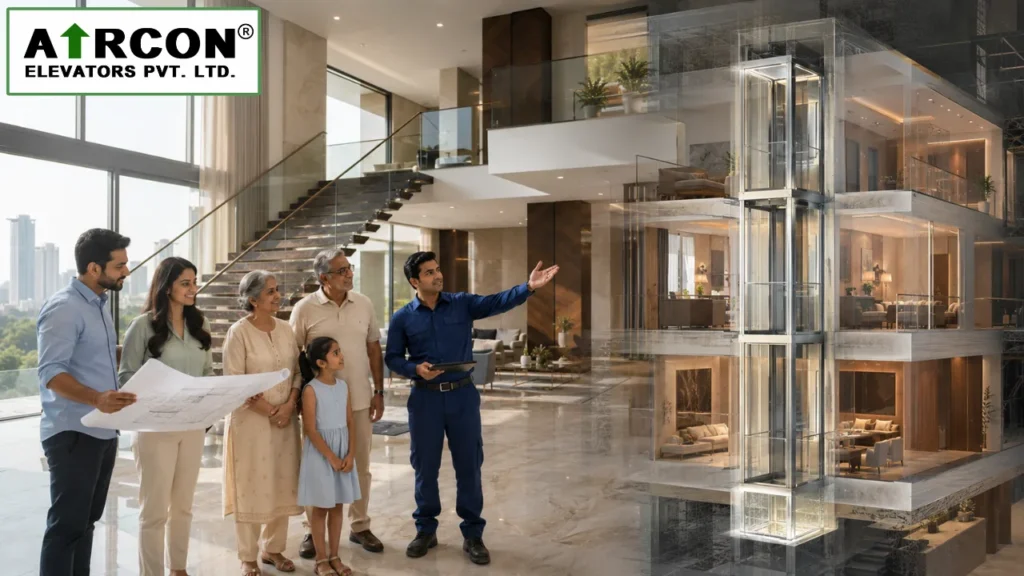
A home is more than just a place to live, it is a long-term investment that should adapt to your family’s changing needs. Future Proof Home Elevator planning helps homeowners prepare for tomorrow instead of making costly renovations later. Whether you’re building a new villa or designing a multi-story home, planning for a home elevator today can improve accessibility, increase property value, and provide greater convenience for years to come.
Instead of treating an elevator as a luxury addition, many modern homeowners now consider it an essential feature for long-term comfort. The right planning ensures smooth installation, lower future expenses, and a home that remains functional for every generation.
| Factor | Benefit |
| Early Planning | Reduces future renovation costs |
| Better Accessibility | Makes every floor easier to reach |
| Higher Property Value | Improves resale appeal |
| Smart Design | Blends naturally with home interiors |
| Future Flexibility | Supports changing family needs |
Why a Future Proof Home Elevator Is a Smart Investment
Many families build their dream home based on current requirements. However, your lifestyle may change significantly over the next 10–20 years. Parents grow older, children become adults, and mobility needs often evolve over time.
Planning a home elevator during construction allows you to prepare your home for these future changes without major structural modifications. As a result, you avoid expensive rebuilding work while creating a more comfortable living environment.
Plan the Right Location for Your Future Proof Home Elevator
One of the smartest decisions homeowners can make is selecting the elevator location during the architectural planning stage.
A well-planned location offers several advantages:
- Easy access from every floor
- Better interior aesthetics
- Efficient use of available space
- Simpler structural planning
- Faster future installation
Many architects recommend placing the elevator near the staircase because it creates a practical circulation area while maintaining a balanced floor layout.
Prepare the Structure for Future Installation
Even if you do not plan to install an elevator immediately, preparing the structure during construction can save significant time and money later.
Your builder can plan for:
- Elevator shaft space
- Electrical provisions
- Required headroom
- Floor openings
- Structural support
- Pit requirements (if needed)
These preparations minimize disruption when you decide to install the elevator in the future. Planning the structural layout according to accessible building design guidelines can also improve long-term safety, convenience, and accessibility for every family member. If your project has space limitations, a Pitless Elevator for Home can also be a practical solution during the planning stage.
Think About Your Family’s Future Needs
Today’s healthy lifestyle may not remain the same forever. Therefore, homeowners should think beyond their current situation.
A Future Proof Home Elevator becomes valuable when:
- Elderly parents move in.
- Family members experience temporary injuries.
- Mobility becomes limited with age.
- Young children need safer movement between floors.
- Heavy luggage or household items require easy transportation.
Planning ahead allows every family member to move comfortably throughout the home.
Choose the Right Future Proof Home Elevator Features
Technology continues to improve every year. Therefore, selecting an elevator that supports future upgrades is a smart investment.
Look for features such as:
- Energy-efficient drive systems
- Automatic rescue device (ARD)
- Smart control options
- Remote diagnostics
- Soft start and stop technology
- Automatic doors
These features improve convenience today while keeping your elevator ready for future technological advancements.
Match the Elevator with Your Home Design
A modern home elevator should complement your home’s architecture instead of looking like an afterthought.
Popular customization options include:
- Glass cabins
- Stainless steel finishes
- Wooden decorative panels
- Premium cabin lighting
- Modern control panels
- Customized flooring
Planning these design elements early creates a seamless appearance throughout your home.
Improve Long-Term Property Value
Homebuyers increasingly look for properties that offer convenience, accessibility, and modern amenities.
A well-planned home elevator can:
- Increase buyer interest
- Enhance the luxury appeal of the property
- Support multi-generational living
- Improve long-term usability
- Differentiate your home from similar properties
Although many buyers initially focus on design, practical features often influence their final purchasing decision.
Work with an Experienced Elevator Company
The success of any elevator project depends on proper planning and professional installation.
Before selecting a company, consider:
- Industry experience
- Manufacturing capabilities
- Safety certifications
- Installation quality
- Warranty coverage
- After-sales service
- Availability of spare parts
Choosing an experienced elevator manufacturer helps ensure reliable performance and long-term support.
Final Thoughts
Planning a Future Proof Home Elevator is not only about installing a lift—it’s about designing a home that continues to meet your family’s needs for many years. Early planning reduces future expenses, protects your property’s value, and creates a safer, more comfortable living environment.
Whether you install the elevator during construction or prepare your home for future installation, making the right decisions today can save considerable time, money, and effort later.
Frequently Asked Questions
Yes. Early planning allows architects and builders to reserve space, prepare the structure, and reduce future installation costs.
A professionally installed home elevator can improve a property’s appeal, especially in luxury and multi-story homes where accessibility is an important feature.
Yes. Many homeowners reserve shaft space and structural provisions during construction, allowing installation at a later stage with minimal modifications.
Duplex homes, villas, bungalows, and multi-story residences benefit the most from future elevator planning.