
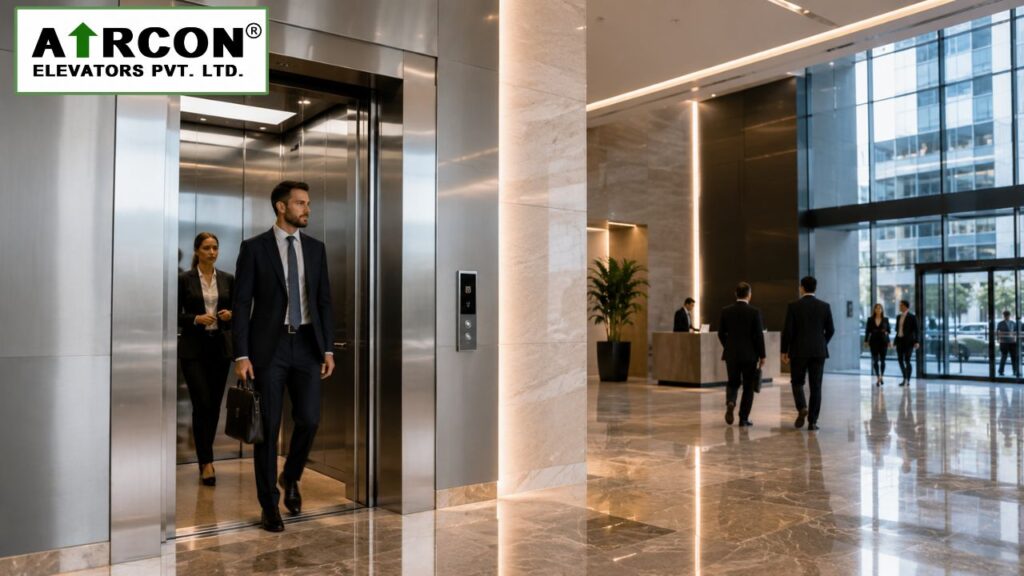
Passenger elevators have become an essential part of modern residential, commercial, and institutional buildings. Whether it is a multi-storey apartment, office tower, shopping mall, hospital, or hotel, a well-designed passenger elevator improves convenience, accessibility, and overall building efficiency. Choosing the right elevator is not only about moving people between floors, it also involves safety, energy efficiency, ride comfort, and long-term reliability.
In this guide, you’ll learn everything you need to know about passenger elevators, including their types, features, benefits, and the key factors to consider before installation.
What Are Passenger Elevators?
Passenger elevators are vertical transportation systems designed specifically to carry people safely and efficiently between different floors of a building. Unlike freight elevators, which are primarily intended for moving goods, passenger elevators focus on comfort, accessibility, smooth operation, and user safety. Modern passenger elevators are built with advanced safety systems and typically comply with national and international standards applicable to their installation and operation.
Passenger elevators are commonly installed in:
- Residential apartments
- Office buildings
- Shopping malls
- Hotels
- Hospitals
- Educational institutions
- Airports
- Commercial complexes
Types of Passenger Elevators
Selecting the right type of passenger elevator depends on the building’s height, traffic volume, available space, and budget.
1. Traction Passenger Elevators
Traction elevators operate through a lifting mechanism that uses durable steel cables or reinforced belts along with a balanced counterweight. This system enables smooth, efficient, and reliable movement between floors while reducing the workload on the motor. They are one of the most popular choices for medium and high-rise buildings because they offer smooth rides, higher speeds, and excellent energy efficiency.
Best For:
- Commercial buildings
- Office towers
- High-rise apartments
Advantages
- Energy-efficient operation
- Faster travel speed
- Smooth performance
- Suitable for heavy daily usage
2. Hydraulic Passenger Elevators
Hydraulic elevators operate using a hydraulic piston powered by fluid pressure. These elevators are commonly used in low-rise buildings.
Best For
- Villas
- Small apartment buildings
- Low-rise commercial buildings
Advantages
- Lower installation cost
- Quiet operation
- High lifting capacity
- Easy maintenance
3. Machine Room Less (MRL) Elevators
MRL elevators eliminate the need for a separate machine room, helping save valuable building space. They are becoming increasingly popular in modern construction because of their compact design and energy efficiency.
Advantages
- Space-saving
- Lower energy consumption
- Modern appearance
- Reduced construction requirements
4. Glass Passenger Elevators
Also known as panoramic or observation elevators, these elevators feature transparent glass walls that enhance the building’s visual appeal while offering passengers an open view during travel.
Common Applications
- Hotels
- Shopping malls
- Luxury residences
- Airports
Important Features of Modern Passenger Elevators
Today’s passenger elevators are equipped with advanced technologies that improve safety, convenience, and performance.
Automatic Doors
- Automatic doors open and close smoothly, reducing manual effort while improving passenger safety.
Energy-Efficient Motors
- Modern gearless motors consume less electricity while providing better performance than older systems.
Emergency Power Backup
- Many passenger elevators include battery backup or emergency rescue systems that help safely move passengers during a power failure.
Smart Control Systems
- Intelligent controllers reduce waiting times by efficiently managing elevator calls and passenger traffic.
Safety Sensors
- Door sensors detect obstacles and prevent doors from closing on passengers.
Digital Display Panels
- Passengers can easily view floor numbers, travel direction, and elevator status.
Voice Announcements
- Audio announcements improve accessibility for visually impaired passengers.
CCTV Integration
- Security cameras enhance passenger safety and allow building management to monitor elevator activity.
Benefits of Installing Passenger Elevators
Installing passenger elevators provides several long-term advantages for both building owners and occupants.
Improved Accessibility
- Passenger elevators allow elderly individuals, children, wheelchair users, and people with mobility challenges to move comfortably throughout a building. Accessibility is an important consideration in modern building design.
Increased Property Value
- Buildings equipped with high-quality elevators are generally more attractive to buyers and tenants, improving their market value.
Better Convenience
- Passengers can move between floors quickly without using stairs, saving time and reducing physical effort.
Enhanced Safety
- Today’s passenger elevators are equipped with advanced safety technologies that help protect users during everyday operation. Features like emergency alert systems, load monitoring, automatic emergency evacuation functions, and secure door locking mechanisms work together to provide a safe and dependable travel experience.
Energy Savings
- Modern traction and MRL elevators use efficient motors and smart standby modes that help reduce electricity consumption.
Professional Appearance
- A stylish passenger elevator enhances the overall appearance of residential and commercial properties.
Key Factors to Consider Before Choosing a Passenger Elevator
Choosing the right passenger elevator requires careful planning.
Building Height
- Low-rise buildings often use hydraulic elevators, while medium and high-rise buildings generally benefit from traction or MRL systems.
Passenger Traffic
- Buildings with high daily footfall require elevators designed for frequent operation and faster travel speeds.
Load Capacity
- Passenger elevators are available in various capacities. The right choice depends on the expected number of passengers and building usage.
Available Space
- Before selecting an elevator, it is important to assess the available installation space, including the lift shaft size, pit requirements, overhead space, and whether a dedicated machine room is needed. Proper planning helps ensure a smooth installation and reliable operation.
Energy Efficiency
- Selecting energy-efficient elevator systems helps reduce operating costs over the long term.
Maintenance Support
- Choose an elevator provider that offers reliable maintenance services and readily available spare parts.
Passenger Elevator Safety Features
Safety is the most important aspect of any passenger elevator.
Modern elevators generally include:
- Emergency alarm button
- Automatic rescue device
- Door safety sensors
- Overload protection
- Emergency lighting
- Fire-resistant landing doors
- Speed governors
- Brake systems
- Interlocking door mechanisms
These features work together to ensure passenger safety during normal operation and emergency situations. Safety requirements are typically governed by applicable building and elevator standards.
Passenger Elevator Maintenance Tips
Regular maintenance helps extend elevator life and ensures smooth performance.
Some recommended practices include:
- Schedule periodic inspections.
- Check doors and safety sensors regularly.
- Lubricate moving components.
- Test emergency systems.
- Inspect cables and guide rails.
- Replace worn parts promptly.
- Keep the elevator cabin clean.
- Maintain proper service records.
Preventive maintenance reduces unexpected breakdowns and improves passenger safety.
Future of Passenger Elevators
The elevator industry is rapidly adopting new technologies to improve efficiency and user experience.
Some emerging trends include:
- AI-based traffic management
- IoT-enabled remote monitoring
- Predictive maintenance
- Touchless controls
- Smartphone-based elevator calling
- Regenerative drive systems
- Energy-efficient LED lighting
- Smart destination control systems
These innovations help reduce waiting times, improve operational efficiency, and lower maintenance costs.
Frequently Asked Questions (FAQs)
A passenger elevator is a lift specifically designed to transport people safely between different floors of a building.
Hydraulic and Machine Room Less (MRL) elevators are commonly preferred for residential projects, depending on building height and available space.
Most manufacturers recommend professional inspection and maintenance at regular intervals, often monthly or according to local regulations and usage.
Yes. Modern passenger elevators use energy-efficient motors, LED lighting, and intelligent control systems that help reduce electricity consumption.
With proper installation and regular maintenance, a quality passenger elevator can provide reliable service for 20–30 years or more.
Conclusion
Passenger elevators have become a necessity in today’s residential and commercial buildings. Beyond simply transporting people between floors, they enhance accessibility, improve convenience, increase property value, and contribute to a safer environment. Choosing the right elevator depends on factors such as building height, traffic requirements, available space, and long-term maintenance planning.
Whether you are constructing a new building or upgrading an existing one, investing in a reliable passenger elevator from a trusted manufacturer ensures years of safe and efficient performance.