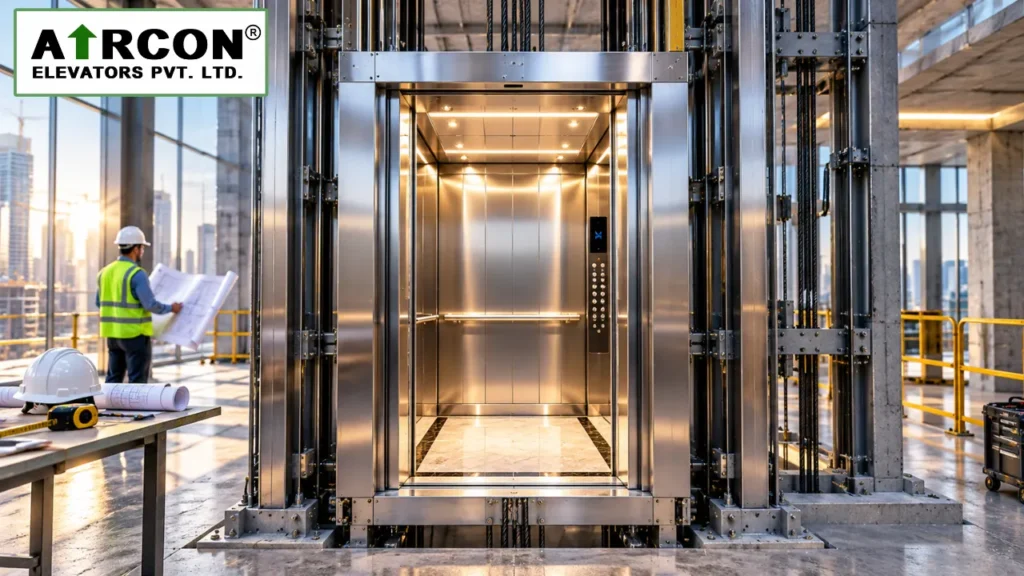
A well-planned Commercial Elevator Installation improves accessibility, enhances customer experience, and increases the overall value of a commercial property. Whether it’s an office building, shopping mall, hotel, hospital, or business complex, the right elevator ensures smooth and efficient movement of people while meeting modern safety standards.
In this guide, we’ll explain the commercial elevator installation process, key factors to consider, and how to choose the right elevator for your project. Additionally, you’ll learn what to expect during each installation stage.
Why Commercial Buildings Need Professional Elevator Installation
Because commercial buildings experience heavy daily foot traffic, elevators become an essential part of their infrastructure. Additionally, a professionally installed elevator helps improve passenger flow and reduces waiting time. As a result, employees, customers, and visitors enjoy a more convenient experience.
For instance, commercial elevators are commonly installed in the following locations:
- Office Buildings
- Shopping Malls
- Hotels
- Hospitals
- Educational Institutions
- Business Centres
- Retail Stores
- Commercial Complexes
Steps Involved in Commercial Elevator Installation
1. Site Inspection
- Initially, the installation process begins with a detailed site inspection. First, engineers carefully assess the project requirements. Next, engineers evaluate the building structure, elevator shaft dimensions, pit depth, overhead clearance, electrical requirements, and expected passenger traffic to recommend the most suitable commercial elevator system. As a result, identifying these factors early helps prevent installation delays and costly modifications later.
2. Choosing the Right Elevator
- Selecting the right commercial elevator depends on building height, passenger traffic, travel speed, load capacity, available installation space, and long-term operating costs. Therefore, every factor should be evaluated before making a final decision. For example, depending on the application, businesses can choose from traction elevators, hydraulic elevators, or Machine Room Less (MRL) elevators.
3. Design & Engineering
- After the site inspection, engineers prepare detailed technical drawings, shaft layouts, electrical plans, and structural specifications. Consequently, this ensures the elevator integrates safely with the building while meeting applicable standards and operational requirements.
4. Installation
- Next, certified elevator technicians install elevator guide rails, landing doors, the elevator cabin, control panel, machine components, wiring, and safety systems according to the approved engineering drawings. Meanwhile, they follow strict installation and safety procedures throughout the project.
5. Testing & Commissioning
- After installation, every commercial elevator undergoes comprehensive testing to verify floor leveling accuracy, door operation, overload protection, emergency functions, ride quality, communication systems, and overall operational safety. Finally, the elevator is handed over for regular use. Additionally, testing is performed according to elevator safety standards wherever applicable.
Factors to Consider Before Commercial Elevator Installation
| Factor | Why It Matters |
|---|---|
| Building Height | Determines the most suitable elevator technology. |
| Passenger Traffic | Helps select the correct speed and cabin size. |
| Load Capacity | Prevents overloading and improves efficiency. |
| Installation Space | Ensures the elevator fits the available shaft. |
| Energy Efficiency | Reduces long-term electricity costs. |
| Safety Features | Improves passenger protection and regulatory compliance. |
| Maintenance | Reduces downtime and repair costs. |
Before selecting a commercial elevator, you should carefully consider the following factors:
- Building height and number of floors
- Daily passenger traffic
- Required load capacity
- Available shaft dimensions
- Machine room availability
- Energy efficiency
- Safety features
- Future maintenance costs
- Accessibility requirements
- Expansion plans
Overall, planning these factors in advance helps businesses choose an elevator that delivers reliable performance. Consequently, it also helps reduce long-term operating costs.
Typical Commercial Elevator Installation Timeline
Although every project is different, a typical commercial elevator installation usually follows this timeline:
- Site Inspection – 1 to 3 Days
- Design & Engineering – 1 to 3 Weeks
- Manufacturing – 4 to 8 Weeks
- Installation – 2 to 6 Weeks
- Testing & Commissioning – 2 to 5 Days
However, the actual timeline depends on the building size, elevator type, project complexity, and site readiness.
Key Features of Modern Commercial Elevators
Modern commercial elevators combine advanced technology, energy efficiency, and intelligent control systems. As a result, they improve passenger comfort while reducing operating costs.
In addition, popular features include:
- Automatic Doors
- VVVF Drive Technology
- Energy-Efficient Operation
- Digital Floor Indicators
- Touch Control Panels
- Automatic Rescue Device (ARD)
- Voice Announcement System
- Smooth & Quiet Ride
- Stainless Steel Cabin Options
- Smart Access Control (Optional)
Modern Technologies Used in Commercial Elevators
Additionally, today’s commercial elevators include several smart technologies that improve efficiency and passenger experience, including:
- Destination Control System (DCS)
- Touchless Call Buttons
- IoT-Based Remote Monitoring
- Regenerative Drive Technology
- Smart Access Control
- AI-Based Predictive Maintenance
- Cloud-Based Performance Monitoring
As a result, these technologies help reduce energy consumption, improve traffic management, and simplify elevator maintenance. Furthermore, they enhance overall system reliability.
Industries That Benefit from Commercial Elevator Installation
Likewise, commercial elevator installation is suitable for many industries. For example, it is commonly used in:
- Corporate Office Buildings
- Hospitals & Healthcare Facilities
- Hotels & Resorts
- Shopping Malls
- Retail Stores
- Warehouses
- Educational Institutions
- Airports
- Manufacturing Plants
- Commercial Complexes
Safety Should Always Come First
A commercial elevator should include advanced safety systems to protect passengers and ensure uninterrupted operation. In addition, these systems minimize risks during emergencies.
For example, important safety features include:
- Overload Protection
- Door Safety Sensors
- Emergency Alarm
- Battery Backup
- Fire Emergency Operation
- Emergency Lighting
- Door Interlocking System
- Automatic Rescue Device (ARD)
Furthermore, regular preventive maintenance, periodic inspections, load testing, and timely replacement of worn components help maintain passenger safety, minimize unexpected breakdowns, improve equipment reliability, and extend the elevator’s service life. Moreover, annual safety inspections also help ensure continued compliance with applicable safety standards.
Why Choose Aircon Elevators Pvt. Ltd.?
Aircon Elevators Pvt. Ltd. provides complete commercial elevator solutions across India. Moreover, every solution is customized to meet individual project requirements.
Specifically, our services include:
- Customized Elevator Design
- Commercial Elevator Installation
- Passenger Elevators
- MRL & Hydraulic Elevators
- Elevator Modernization
- Annual Maintenance Contracts (AMC)
- Professional After-Sales Support
Furthermore, our experienced engineers work closely with architects, consultants, builders, and business owners to design customized commercial elevator solutions that deliver reliable performance, maximum safety, and long-term value.
How to Choose the Right Commercial Elevator Company
Before making your final decision, consider the following:
- Industry experience
- BIS-compliant safety standards
- Product quality
- Installation expertise
- AMC support
- Spare parts availability
- Customer reviews
- Warranty coverage
Therefore, choosing an experienced elevator manufacturer helps ensure reliable installation. In addition, it provides better after-sales support and lower lifetime operating costs.
Frequently Asked Questions
The best option depends on your building height, passenger traffic, and available space. Traction and MRL elevators are commonly used in commercial projects.
The installation timeline varies depending on the building design, elevator type, and project size.
Yes. Cabin design, load capacity, doors, finishes, and smart features can all be customized.
Yes. Preventive maintenance helps improve safety, reduce downtime, and extend the life of the elevator.
Yes. We offer complete commercial elevator installation, modernization, and AMC services across India.
Why Standards and Compliance Matter
First of all, commercial elevators should be designed, installed, and maintained according to applicable national safety standards and local regulations. Therefore, compliance should never be overlooked. Likewise, working with an experienced elevator company helps ensure proper documentation, quality installation, and long-term operational safety.
Need Expert Commercial Elevator Installation?
Whether you’re planning a new office building, shopping mall, hospital, hotel, or commercial complex, choosing the right elevator solution is essential for safety, efficiency, and long-term reliability. Therefore, careful planning is always recommended.
Finally, our experts can help you select the ideal elevator based on your building design, passenger traffic, and budget. As a result, you can make a more informed investment.
Build a Safer & Smarter Commercial Space
Investing in professional commercial elevator installation improves accessibility, passenger movement, operational efficiency, and long-term property value. Ultimately, it also increases the overall return on your investment. Therefore, choosing an experienced elevator manufacturer ensures reliable performance, advanced safety features, lower maintenance costs, and dependable after-sales support throughout the elevator’s service life.
Contact Aircon Elevators Pvt. Ltd. today to schedule a site inspection and receive a customized commercial elevator solution for your project.